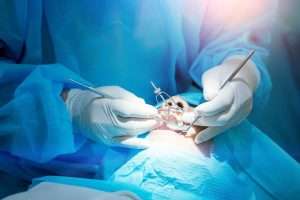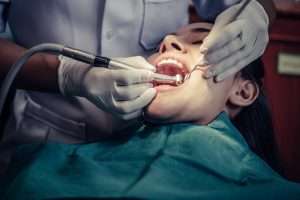
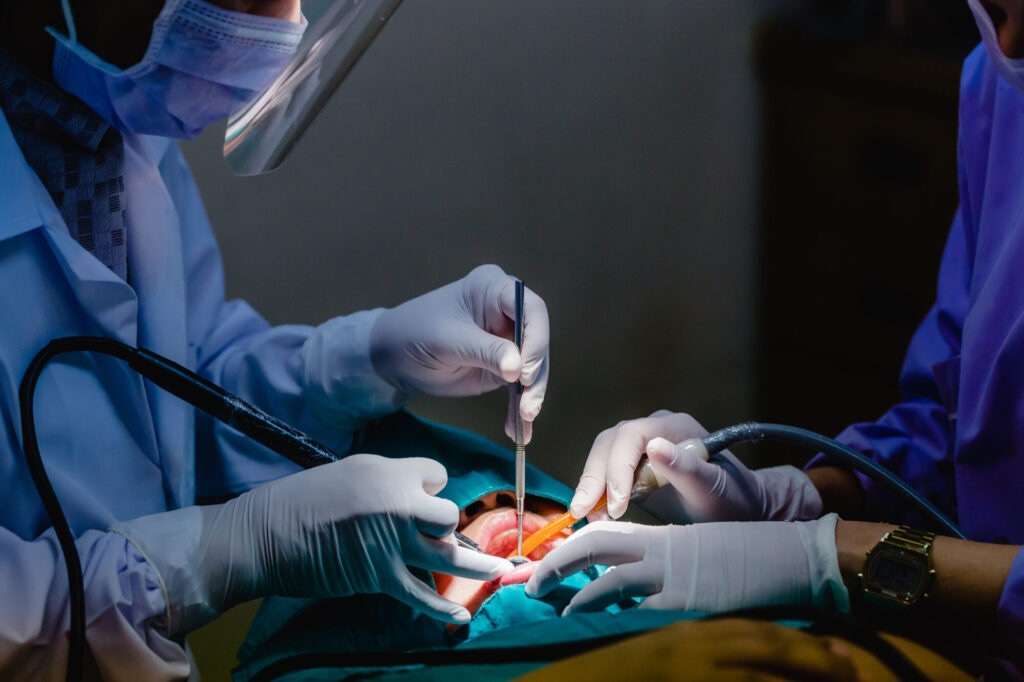
Summer is considered the optimal season for elective oral and maxillofacial surgery because extended academic, athletic, and workplace downtime allows patients to recover without disrupting daily obligations. Ample rest reduces physiological stress hormones like cortisol, promotes uninterrupted restorative sleep cycles that facilitate tissue regeneration, and provides a predictable home environment for managing post-operative nutrition and swelling. Scheduling procedures such as wisdom teeth extractions, corrective jaw surgery, and dental implant placement during the summer ensures sufficient time for soft tissue healing and bone remodeling before the fall routine resumes.
Why Is Summer Break the Ideal Time for Oral and Maxillofacial Surgery?
Elective surgical care in the oral and maxillofacial region requires adequate post-operative planning to ensure predictable clinical outcomes, manage pain effectively, and minimize surgical complications. The academic year and standard corporate quarters impose tight schedules, rigid timelines, and high stress levels that interfere with healing. Undergoing surgery during summer break provides a controlled recovery window, eliminating the anxiety of missed classroom instruction, exams, or urgent workplace responsibilities.
How Does Stress Reduction and Deep Sleep Accelerate Tissue Healing?
Wound healing in the oral cavity involves a continuous biological sequence: hemostasis, acute inflammation, cellular proliferation, and extracellular matrix remodeling. High psychological stress stimulates the sympathetic nervous system and the hypothalamic-pituitary-adrenal (HPA) axis, resulting in elevated systemic levels of cortisol and catecholamines. Chronic cortisol elevation downregulates macrophage activity, impairs fibroblast migration, disrupts collagen synthesis, and delays mucosal re-epithelialization across surgical incision sites.
During the summer months, reduced daily obligations allow for restored circadian rhythms and deeper, uninterrupted slow-wave sleep. Stage-three non-REM sleep triggers the release of human growth hormone (HGH) from the pituitary gland. HGH accelerates amino acid uptake, stimulates cellular mitosis, and enhances systemic protein synthesis required for osseous and soft tissue repair. Preparing for recovery in an environment with minimal physiological strain aligns directly with standard protocols outlined in the introduction to oral and maxillofacial surgery provided prior to treatment.
Why Is Schedule Flexibility Critical for Post-Operative Management?
The first 72 hours following oral surgical intervention represent the most critical post-operative window. Patients must follow strict self-care regimens, including applying cold compresses at regular intervals, maintaining medication schedules, tracking fluid intake, and eating non-chew meals. Being at home during summer allows individuals to focus entirely on recovery, manage facial swelling in comfort, and attend follow-up visits without calendar conflicts.
Which Oral Surgery Procedures Are Best Scheduled During the Summer?
While traumatic dental injuries and acute facial infections demand immediate emergency care, numerous major maxillofacial procedures are elective or semi-elective. Summer break provides the extended calendar window needed to schedule these treatments comfortably.
Why Should Wisdom Teeth (Third Molars) Be Removed During the Summer?
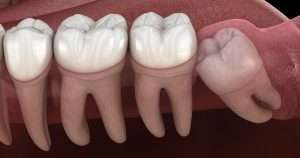
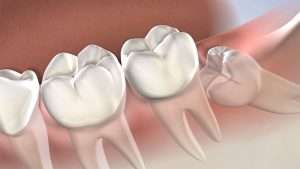
Wisdom teeth extraction is the most frequent oral surgery procedure performed on high school and collegiate patients between the ages of 15 and 25. At this developmental stage, the roots of the third molars are only partially formed (usually one-third to two-thirds of their final length), and the surrounding alveolar bone remains less dense and more pliable. Treating third molars during this window reduces the risk of root fractures and minimizes potential trauma to adjacent anatomic structures, including the inferior alveolar and lingual nerves.
Impacted or partially erupted third molars that lack adequate arch space can cause multiple secondary oral health complications if left untreated:
- Pericoronitis: A localized bacterial infection of the soft tissue flap (operculum) covering a partially erupted mandibular third molar, causing acute pain, localized cellulitis, and trismus (lockjaw).
- External Root Resorption: Progressive structural damage to the healthy roots of adjacent second molars caused by physical pressure from horizontally or mesioangularly impacted crowns.
- Odontogenic Cysts: Pathological fluid accumulation within the follicular sac surrounding an impacted tooth, potentially forming a dentigerous cyst that destroys surrounding jawbone.
- Periodontal Bone Loss: Chronic microbial accumulation between crowded second and third molars that results in irreversible alveolar bone defects.
Scheduling extraction during the summer allows the initial acute healing window (3 to 5 days) and primary mucosal closure (10 to 14 days) to finish completely before academic and athletic demands resume in the autumn.
How Does Summer Accommodate Corrective Jaw (Orthognathic) Surgery?
Orthognathic surgery corrects severe dentofacial abnormalities, malocclusions, skeletal asymmetries, and airway obstructions associated with obstructive sleep apnea. Procedures such as the Le Fort I maxillary osteotomy, bilateral sagittal split osteotomy (BSSO) of the mandible, and genioplasty involve realigning the facial skeleton and securing the bone with biocompatible titanium mini-plates and screws.
Because orthognathic surgery requires bone remodeling across major skeletal segments, patients experience notable facial swelling and must adhere to a strict liquid or pureed diet for 4 to 6 weeks. The 8 to 12 weeks of summer break give high school and college students sufficient time to navigate the demanding initial recovery phases, regain strength, adapt to their new bite, and transition back to solid foods without taking an academic leave of absence.
When Should Dental Implants and Pre-Prosthetic Surgery Be Performed?
Dental implants provide permanent tooth replacement for individuals with congenitally missing teeth, non-restorable dental caries, or severe dentoalveolar trauma. Implant success relies on osseointegration—the direct structural and functional connection between living alveolar bone cells and the micro-textured titanium surface of the implant, which develops over a period of 3 to 6 months.
When an alveolar ridge exhibits inadequate bone volume or irregular contours, specialized pre-prosthetic surgery—such as particulate bone grafting, sinus lift procedures, alveolar ridge augmentation, or smoothing of sharp bony ridges—must precede or accompany implant placement. Initiating bone grafting and implant surgery in early summer gives hard and soft tissues ample time to stabilize before final crowns or prostheses are attached in the autumn.
What Protocols Ensure a Safe and Smooth Post-Operative Recovery?
Surgical success depends on strict adherence to evidence-based post-operative protocols. The controlled domestic environment during summer makes it easy for patients and caregivers to manage nutrition, oral hygiene, and physical activity.
What Dietary Guidelines Protect the Surgical Site?
Surgical sites inside the oral cavity are continuously exposed to salivary enzymes, mechanical forces, and natural oral bacteria. Post-operative nutrition must supply adequate calories, proteins, and micronutrients without disturbing blood clots or delicate sutures:
- Phase 1 (Days 1 to 3): Liquid and Smooth Puree Diet: Smooth, cool foods such as broths, Greek yogurt, blended smoothies, and protein shakes. Patients must never drink through a straw; the intraoral negative pressure generated by suction can dislodge the fibrin blood clot, causing painful alveolar osteitis (dry socket).
- Phase 2 (Days 4 to 10): Soft Mechanical Diet: Nutrient-dense foods that require minimal chewing, such as scrambled eggs, soft flaky fish, well-cooked pasta, oatmeal, and mashed potatoes.
- Hydration and Micronutrients: Consistent fluid intake combined with dietary sources of vitamin C (which supports collagen synthesis) and zinc (which aids epithelialization) promotes tissue strength and wound repair.
How Should Patients Manage Oral Hygiene and Physical Activity?
Maintaining oral cleanliness prevents surgical site infections while protecting healing blood clots and suture lines. For the first 24 hours post-surgery, patients should avoid vigorous mouth rinsing, spitting, and direct tooth brushing near the operative site. Starting on post-operative day two, gentle warm saltwater rinses (1/2 teaspoon of salt in 8 ounces of warm water) should be performed 4 to 5 times daily after meals to rinse away food particles and control bacterial accumulation.
Physical activity requires careful management as well. Strenuous exercise, heavy lifting, and competitive sports elevate mean arterial blood pressure and heart rate. Increased blood pressure during the early post-operative period can trigger secondary bleeding, worsen localized swelling, and compromise socket healing. Student-athletes should take 5 to 7 days of complete physical rest after extractions, and several weeks following orthognathic surgery, before gradually returning to training.
How Do Advanced Diagnostics and Anesthesia Ensure Patient Comfort?
Modern oral and maxillofacial surgical practices use advanced 3D imaging and targeted anesthesia options to minimize trauma, improve surgical accuracy, and maintain patient safety.
What Is the Diagnostic Value of 3D Cone Beam Computed Tomography (CBCT)?
Unlike conventional two-dimensional panoramic X-rays, high-resolution Cone Beam Computed Tomography (CBCT) produces multi-planar 3D views of craniofacial anatomy. CBCT scans allow the surgical team to map the exact three-dimensional path of the inferior alveolar nerve canal, measure alveolar bone dimensions, inspect maxillary sinus boundaries, and evaluate complex root shapes prior to surgery. This detailed diagnostic perspective allows for minimally invasive surgical access and faster recovery times.
What Anesthesia and Sedation Options Are Available?
Oral and maxillofacial surgeons complete hospital-based training in deep intravenous (IV) sedation and general anesthesia, offering tailored comfort options suited to each procedure and patient preference:
- Local Anesthesia: Direct injection that numbs the operative field while the patient remains fully conscious.
- Nitrous Oxide with Local Anesthesia: Mild inhalation conscious sedation that provides relaxation and reduces mild anxiety.
- Intravenous (IV) Moderate Sedation: Intravenously administered medications that place the patient in a twilight state of deep relaxation and amnesia while preserving protective airway reflexes.
- General Anesthesia: Complete loss of consciousness and sensation, typically utilized for complex reconstructive procedures, orthognathic osteotomies, or deeply impacted wisdom teeth.
Long-acting local anesthetics administered before completing the surgery ensure that patients wake up comfortable, providing a smooth transition into the initial at-home recovery phase.
How Should Patients Plan and Schedule Summer Oral Surgery?
Because summer is the most popular time for adolescent and young adult surgical procedures, clinical schedules fill up quickly across June, July, and August. Planning ahead ensures optimal appointment availability.
What Happens During the First Visit Consultation?
Every surgical treatment plan begins with a comprehensive clinical evaluation. During the first visit consultation, the oral and maxillofacial surgeon reviews the patient’s medical and pharmacological history, performs a comprehensive extraoral and intraoral examination, reviews 3D CBCT scans, and discusses surgical options. Anesthetic choices, pre-operative fasting rules, and recovery expectations are covered in detail to ensure patients and families are fully informed.
Why Is Early Spring Scheduling Important?
To reserve a surgical date that fits smoothly around family vacations, sports camps, or summer employment, families should arrange their initial consultation during the spring months (March through May). Scheduling early allows sufficient time to complete the patient registration process, verify dental and medical insurance coverage, and secure any necessary pre-authorizations.
Patients can prepare for their care in advance by scheduling an oral surgery appointment well before the school year concludes.
Where Can Patients Receive Board-Certified Oral Surgery in West Michigan?
Oral and maxillofacial surgeons undergo extensive hospital-based surgical residency training, giving them advanced expertise in wisdom tooth removal, bone grafting, orthognathic repositioning, and complex dental implant surgery. Patients and referring dentists seeking expert care in West Michigan can contact the Grand Rapids oral surgeons to schedule clinical evaluations and receive specialized surgical treatment.
Frequently Asked Questions
Why is summer the best time for students to undergo wisdom teeth removal?
Summer provides an extended period of academic and athletic downtime, allowing students to recover without missing classes, exams, or sporting events. Reduced stress levels and restorative sleep support biological wound healing and lower the risk of post-operative complications.
How long does the recovery process take after summer oral surgery?
For routine third molar extractions, the initial acute healing phase lasts 3 to 5 days, primary soft tissue closure takes about 10 to 14 days, and full bone remodeling occurs over several months. Extensive procedures such as corrective jaw surgery require 4 to 6 weeks of modified non-chew nutrition and reduced physical activity.
When should summer oral surgery consultations be scheduled?
Consultations should ideally be scheduled during the early spring months (March through May). Because summer is the peak season for oral surgical procedures, early booking secures preferred dates and leaves ample time for insurance verification and pre-operative preparation.
Can student-athletes continue training immediately after oral surgery?
Student-athletes should avoid strenuous exercise, heavy lifting, and contact sports for at least 5 to 7 days following routine tooth extractions. Elevating blood pressure and heart rate too soon can trigger secondary bleeding, increase facial swelling, and dislodge the protective blood clot from the socket.
What is the difference between soft tissue closure and bone healing after surgery?
Soft tissue closure refers to the re-epithelialization of the gingival mucosa over an extraction or surgical site, which usually finishes within 10 to 14 days. Bone healing (osteogenesis) involves the gradual formation and mineralization of new trabecular bone throughout the surgical defect, taking approximately 3 to 6 months to achieve structural maturity.