
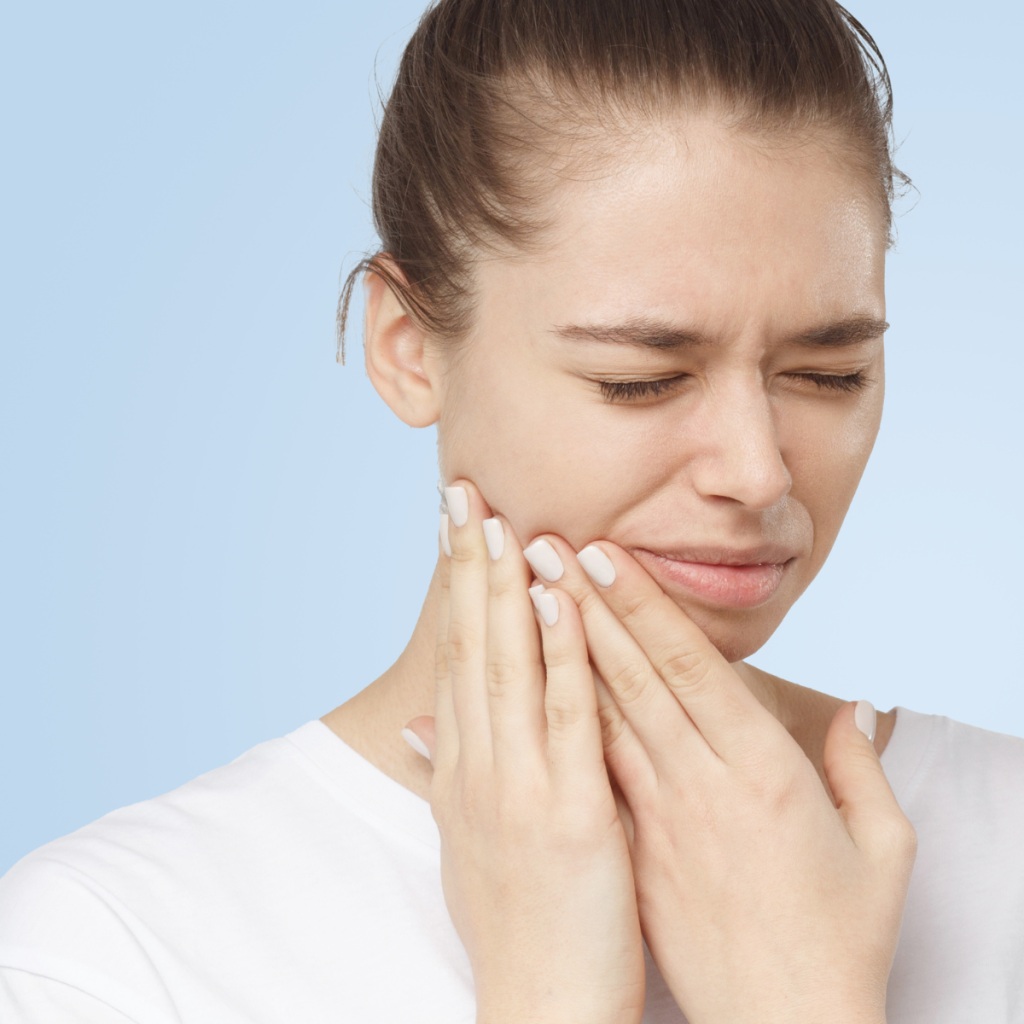
If you’re preparing for or recovering from an oral biopsy in the Grand Rapids or Grandville, MI area, understanding what to expect post-procedure can make your experience smoother and more manageable. At Oral Surgery Associates of Grand Rapids, we’re committed to ensuring you’re informed and prepared for every step of your healing journey. An oral biopsy, often done to diagnose unusual areas in the mouth, may feel intimidating, but with the right post-operative care, you can significantly ease discomfort and promote faster recovery. Just as a freshly planted seed needs careful nurturing to grow, your biopsy site requires specific steps to heal properly. In this guide, we’ll walk you through everything you need to know—from managing initial bleeding and swelling to resuming normal activities—so you can recover with confidence in Grand Rapids, MI.
Immediate Care After Biopsy
Immediately after the biopsy, controlling any bleeding is crucial. Just as a gardener might press soil around a new plant to secure its roots, gently applying gauze over the biopsy site helps stabilize the area. It’s normal to see slight bleeding and a bit of redness in your saliva, similar to the way a cut might bleed briefly before clotting. To control bleeding, firmly pack gauze over the surgical site for about an hour; if bleeding persists, replace the gauze and apply firm pressure for another hour. During the first 24 hours, avoid touching or rinsing the biopsy area to allow it to start healing undisturbed.
Managing Swelling
Swelling is a natural part of the healing process, much like how an injury swells as the body directs resources to help repair the affected area. Expect mild swelling, which usually peaks within 2-3 days after the procedure. Applying an ice pack to your cheek over the biopsy area during the first 36 hours can help manage this swelling, much like cooling a sprain helps reduce inflammation. Switch to warm compresses after 36 hours to promote healing and relieve residual swelling.
Pain Management
Discomfort following a biopsy is common but can usually be managed with over-the-counter pain relievers like Tylenol or ibuprofen. Think of pain management as setting a comfortable thermostat in your home; while some discomfort is normal, keeping it within manageable levels can make recovery more comfortable. Taking pain medication with food can prevent nausea. If your discomfort is more than expected, your oral surgeon may provide prescription pain medication. However, avoid mixing medications unless specifically advised, and always heed any warnings, like avoiding alcohol and operating machinery.
Dietary Recommendations
After a biopsy, your mouth will be more sensitive, so sticking to a soft or liquid diet initially is helpful. Imagine a smooth riverbed where rough currents could disrupt the calm; similarly, hot, sharp, or spicy foods could disturb the biopsy site, causing pain or prolonging healing. Opt for foods that require minimal chewing, such as smoothies, yogurt, and mashed potatoes. Avoid using straws, as the suction can dislodge the blood clot forming over the biopsy site. As healing progresses, you can gradually reintroduce regular foods as your mouth tolerates.
Oral Hygiene Practices
Keeping your mouth clean while being gentle with the biopsy site is critical to avoiding infection. After the first 24 hours, gently rinsing with warm salt water can help cleanse the area without irritating it. A simple recipe for a saltwater rinse is 1 teaspoon of salt dissolved in 1 cup of warm water. Think of this as a gentle wash for delicate surfaces, helping to keep the site clean without causing disruption. When brushing your teeth, avoid the biopsy area, and if your surgeon prescribed a mouthwash like Peridex, use it as directed.
Physical Activity Restrictions
In the days following your biopsy, minimizing physical activity can make a substantial difference in your recovery. Think of it as allowing a fresh layer of paint to dry undisturbed; high activity could disrupt healing, leading to increased bleeding or throbbing. Limit physical activity for the first 24-48 hours, and gradually ease back into your normal routine. If you notice any signs of bleeding or throbbing, it’s best to take it easy until your body has fully recovered.
Follow-Up Care
In most cases, any sutures placed during a biopsy will dissolve within 5-10 days, so you don’t have to worry about suture removal. Your oral surgeon will review any pathology results once they are available. Follow up and any additional management is determined after that.
Recovering from an oral biopsy requires a blend of patience and care, but with the right approach, most patients experience a smooth and straightforward healing process. Should you encounter any unusual symptoms, such as prolonged bleeding, increased pain, or fever, don’t hesitate to reach out to your healthcare provider.
Oral Surgery Associates, located approximately 6 miles east of Millennium Park in Grand Rapids, MI, is here to support you through every step of your recovery journey. Whether you’re seeking more guidance on post-operative care or are ready for your follow-up appointment, our team is ready to help you heal comfortably and confidently.