Third molars, commonly referred to as wisdom teeth, represent a significant milestone in dental development. Typically emerging between the ages of 17 and 25, these teeth are the final set of molars to erupt in the human mouth. While they are a natural part of human anatomy, their management is often surrounded by misinformation and anxiety. Patients frequently encounter conflicting advice regarding whether removal is necessary, the level of discomfort involved, and the implications of retaining these teeth.
For patients in Grand Rapids and the surrounding areas, understanding the clinical realities of oral surgery is essential for making informed health decisions. By examining the physiological and anatomical facts surrounding wisdom teeth, one can dispel common myths and approach treatment with confidence. This article explores the scientific realities of third molar extraction, relying on established oral and maxillofacial principles.
Myth 1: If Wisdom Teeth Don’t Hurt, They Are Healthy
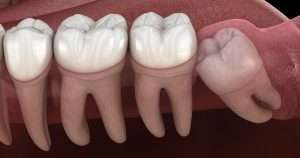
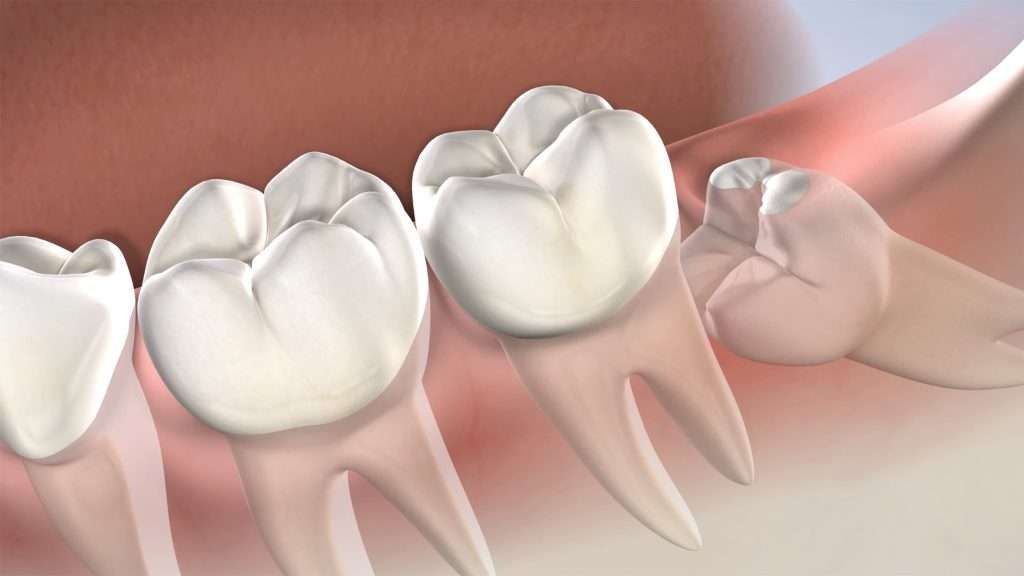
A prevalent misconception among patients is the belief that the absence of pain indicates the absence of pathology. Pain is often a late-stage symptom of dental issues rather than an early warning sign. Third molars can be fully impacted—meaning they are trapped beneath the gum tissue or bone—without causing immediate discomfort. However, silence does not equate to safety.
Impacted wisdom teeth can develop cysts or tumors within the jawbone. These fluid-filled sacs can expand, causing destruction to the adjacent jawbone and damaging the roots of nearby healthy teeth. Furthermore, a condition known as pericoronitis can occur when a tooth partially erupts. A flap of gum tissue, called the operculum, covers part of the tooth, creating a trap for bacteria and food debris. This can lead to infection, swelling, and bad breath, even if acute pain has not yet manifested.
Oral surgeons often recommend preventive wisdom teeth removal to avoid these complications. Relying solely on pain as an indicator for surgery often results in treating a more complex problem that could have been avoided with earlier intervention.
Myth 2: Everyone Has Wisdom Teeth
While the majority of the population develops four wisdom teeth (two in the upper jaw and two in the lower), this is not a universal rule. Hypodontia, or the congenital absence of teeth, can affect third molars. Some individuals may have only one, two, or three wisdom teeth, while a small percentage of the population may never develop them at all. Conversely, hyperdontia can result in supernumerary teeth, meaning a patient has more than the standard number.
To determine the presence and position of these teeth, advanced diagnostics are required. Oral Surgery Associates of Grand Rapids utilizes 3D imaging technology when necessary to gain a comprehensive view of the oral anatomy. These high-definition scans allow surgeons to visualize the relationship between the wisdom teeth, the mandibular nerve, and the maxillary sinus, ensuring that any necessary surgical plan is precise and tailored to the individual’s unique anatomy.
Myth 3: Extraction Is Unbearable and Traumatic
Historically, dental procedures were associated with significant discomfort, but modern oral surgery has evolved drastically. The myth that wisdom teeth extraction is an agonizing ordeal persists largely due to outdated anecdotes. In a contemporary surgical setting, patient comfort is a primary objective.
Board-certified oral surgeons are extensively trained in anesthesia and pain management. During the procedure, various levels of sedation are available, ranging from local anesthesia to general anesthesia. With conscious sedation, patients can remain in a state of deep relaxation or sleep throughout the surgery, often retaining no memory of the procedure itself. Advanced surgical techniques also minimize tissue trauma, which translates to a smoother recovery phase. Following the protocols outlined in pre-anesthesia instructions ensures the safest and most comfortable experience possible.
Myth 4: Wisdom Teeth Always Cause Crowding in Anterior Teeth
Many patients believe that the pressure exerted by erupting wisdom teeth is the sole cause of their front teeth shifting or becoming crooked later in life. While third molars can exert pressure on the dentition, the concept of “mesial drift”—the natural tendency of teeth to move toward the front of the mouth over time—plays a significant role, regardless of the presence of wisdom teeth. Additionally, late mandibular growth (the lower jaw continuing to grow) can contribute to crowding.
However, this does not mean wisdom teeth are harmless regarding alignment. Impacted wisdom teeth often press against the second molars, potentially causing damage to those essential chewing teeth. While they may not be the sole architect of a crooked smile, their removal is frequently recommended by orthodontists and oral surgeons to protect the structural integrity of the rest of the bite.
Myth 5: You Must Be a Teenager to Have Them Removed
While it is clinically ideal to remove wisdom teeth during the late teenage years or early twenties, surgery is not restricted to this age group. The recommendation for early removal stems from physiological factors: at this age, the roots of the teeth are not fully formed, and the surrounding bone is less dense. This combination makes the extraction process less complex and typically results in a faster recovery.
As patients age, the roots lengthen and may become entangled with sensory nerves in the lower jaw or the sinus cavity in the upper jaw. The bone also becomes more mineralized and rigid. While wisdom teeth removal in patients over 30 or 40 is routine and performed safely, the recovery period may be slightly longer compared to a younger patient. A consultation with a specialist can determine the risk-to-benefit ratio for retaining or removing these teeth at any age.
Myth 6: Recovery Requires Weeks of Bed Rest
Post-operative recovery is a crucial phase, but the idea that it requires weeks of complete incapacitation is generally an exaggeration. Most patients can return to non-strenuous daily activities within three to five days following surgery. The body’s healing capability in the oral cavity is robust, provided that post-operative instructions are followed diligently.
Swelling and mild discomfort are expected responses to surgery, peaking typically around the third day. Management includes the use of ice packs, prescribed medications, and adherence to a soft-food diet. Following recovery tips for wisdom teeth extraction significantly accelerates the return to normalcy. It is vital to avoid vigorous exercise or heavy lifting for a few days to prevent elevated blood pressure, which can interfere with the formation of the blood clot at the extraction site.
Myth 7: Dry Socket Is Inevitable
Alveolar osteitis, commonly known as dry socket, occurs when the blood clot that forms in the extraction socket is dislodged or dissolves prematurely. This exposes the underlying bone and nerves, leading to significant pain. While it is a known complication, it is far from inevitable. It is largely preventable through proper patient care.
To prevent dry socket, patients are instructed to avoid using straws, spitting vigorously, or smoking for at least 72 hours after surgery. The suction created by straws and smoking can physically pull the clot from the socket. Furthermore, chemicals in tobacco smoke can impair healing. By adhering to after-extraction instructions, the risk of developing this condition is drastically reduced. If it does occur, oral surgeons can treat the site with medicated dressings to provide immediate relief.
Myth 8: General Dentists and Oral Surgeons Are Interchangeable
While general dentists are capable of performing simple tooth extractions, the removal of impacted wisdom teeth is a surgical procedure that often requires the expertise of a specialist. Oral and Maxillofacial Surgeons undergo an additional four to six years of hospital-based surgical anesthesia training after dental school. This residency focuses on the bone, skin, and muscle of the face, mouth, and jaw.
This specialized training equips them to handle complex impactions, potential complications, and patients with underlying medical conditions. When dealing with proximity to nerves or sinuses, the precision of a specialist is paramount for safety. Patients seeking care in Grand Rapids or Grandville benefit significantly from choosing a practice dedicated to surgical excellence.
Understanding the Clinical Necessity
Navigating the information surrounding oral health can be challenging, but distinguishing fact from fiction is the first step toward a healthy mouth. Wisdom teeth, while natural, often present anatomical challenges that the modern jaw cannot accommodate. Whether the issue is impaction, infection risk, or damage to adjacent molars, the decision to extract is based on preserving long-term oral health.
Oral Surgery Associates delivers expert oral and maxillofacial surgical care in Grand Rapids and Grandville, specializing in dental implants, wisdom teeth removal, and jaw surgery. With a legacy of excellence, our board-certified surgeons combine advanced technology with a patient-first approach to ensure comfort, safety, and outstanding results. Trusted by families and referring dentists alike, Oral Surgery Associates of Grand Rapids makes your treatment experience seamless, compassionate, and backed by decades of surgical precision.
For more information or to follow our practice updates, please visit our social media pages: Google Business Profile Grand Rapids and Google Business Profile Grandville.