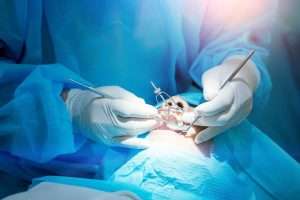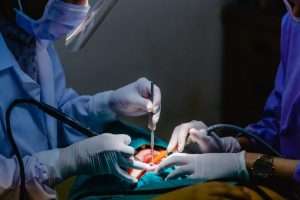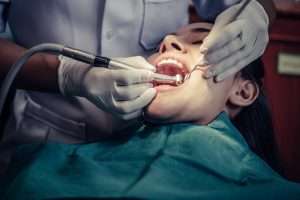
Summer break provides an optimal physiological and logistical window for oral surgery procedures such as wisdom teeth extraction, corrective jaw surgery, and dental implant placement. The absence of academic deadlines, athletic competitions, and daily school attendance allows patients to obtain proper rest, reduce systemic stress hormones, and adhere strictly to post-operative recovery protocols. Scheduling surgical interventions during the summer months ensures complete soft tissue healing and bone remodeling before the start of the subsequent academic year.
Why Is Summer Break the Ideal Time for Oral and Maxillofacial Surgery?
For middle school, high school, and college students—as well as academic faculty—the calendar year is governed by rigid semester schedules. Undergoing elective or necessary surgical procedures during active terms often results in missed lectures, falling behind on coursework, and premature return to strenuous physical activities. The summer break removes these academic and extracurricular constraints, providing an uninterrupted block of time dedicated to physical recuperation.
How Does Reduced Academic Stress Improve Surgical Healing?
Wound healing is a complex biological sequence consisting of hemostasis, inflammation, cellular proliferation, and tissue remodeling. Each phase requires significant metabolic energy and an uncompromised immune system. Elevated psychological stress stimulates the hypothalamic-pituitary-adrenal (HPA) axis, resulting in prolonged secretion of glucocorticoids such as cortisol. Clinically elevated cortisol levels impair wound healing by suppressing pro-inflammatory cytokine production necessary for early stage repair, decreasing cell proliferation, and delaying collagen synthesis.
During the summer recess, students experience a marked decrease in academic pressure and performance anxiety. Lower baseline stress levels allow the immune system to mount an effective, regulated response to surgical intervention. Furthermore, the ability to maintain consistent, unrestricted sleep schedules promotes natural tissue regeneration. During deep non-REM sleep stages, the pituitary gland releases human growth hormone (HGH), which stimulates cellular reproduction, amino acid uptake, and protein synthesis necessary for rapid soft tissue closure and osseous regeneration.
What Scheduling Advantages Does Summer Downtime Provide?
Undergoing surgery during the academic year often creates complex logistical challenges. Patients face strict absence policies, missed examinations, and the physical discomfort of sitting through classes while managing post-operative facial swelling and dietary restrictions. Caregivers must also juggle transportation, prescription pickups, and home monitoring around work and school schedules.
In contrast, summer downtime provides a controlled home environment where patients can rest without social or academic obligations. Caregivers have greater flexibility to monitor pain management protocols, prepare appropriate soft-food meals, and ensure proper hydration during the critical first 72 to 96 hours post-surgery.
Why Should Wisdom Teeth Extraction Be Scheduled During the Summer?
Third molar removal is the most frequently performed procedure in oral and maxillofacial surgery for adolescents and young adults between the ages of 16 and 25. Evaluating and managing wisdom teeth during this developmental stage prevents severe oral health complications before root morphology becomes complex.
What Are the Clinical Risks of Delaying Third Molar Removal?
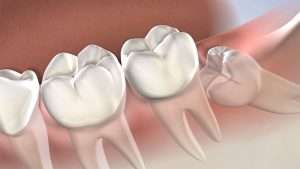
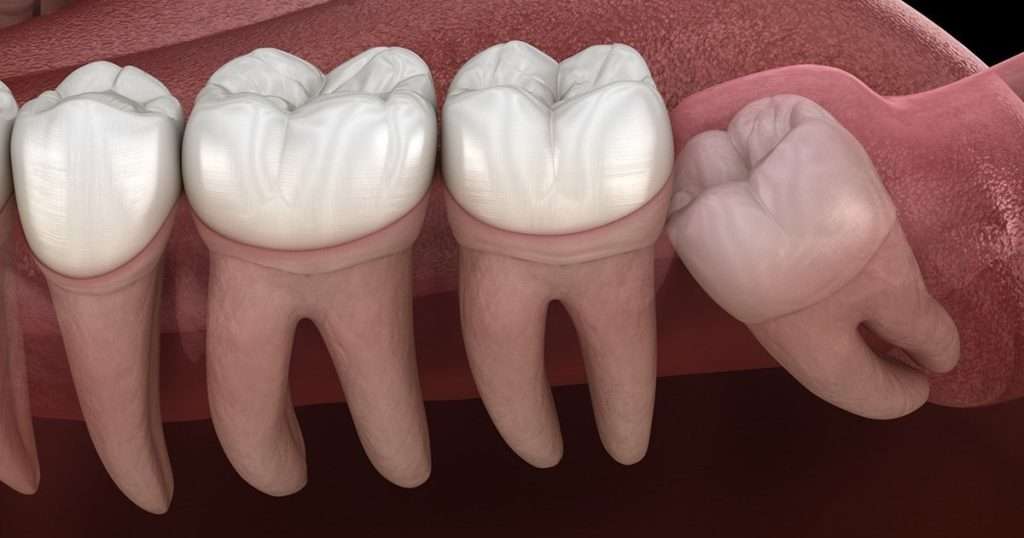
Third molars frequently lack sufficient space within the dental arch to erupt into a functional, hygienic position. When teeth fail to emerge fully through the gingival tissue, they become partially or fully impacted within the alveolar bone. Delaying treatment until symptoms arise often leads to preventable oral pathologies:
- Pericoronitis: Partially erupted molars create a flap of gingival tissue (operculum) where food debris and oral bacteria accumulate. This leads to localized bacterial infections characterized by severe pain, foul odor, limited mouth opening (trismus), and facial swelling.
- Periodontal Bone Loss: Chronic food impaction against the adjacent second molar can cause irreversible bone loss and deep periodontal pocketing along the distal root of the second molar.
- Odontogenic Cysts and Tumors: Impacted teeth remain enclosed in a follicular sac. Over time, fluid can accumulate within the sac, developing into dentigerous cysts that destroy surrounding jawbone tissue and compromise adjacent tooth roots.
- Root Resorption: The physical pressure from an impacted wisdom tooth pressing against the second molar root can cause structural resorption of the healthy neighboring tooth.
Undergoing a clinical evaluation and reviewing practice guidelines through an introduction to specialized surgical care helps families understand the preventative benefits of timely third molar extraction before severe symptoms necessitate emergency surgery.
What Does the Wisdom Teeth Recovery Timeline Look Like?
The biological timeline for third molar recovery involves distinct clinical stages:
- Days 1 to 3 (Acute Phase): Primary blood clot formation occurs within the extraction socket. Patients experience peak inflammatory swelling and mild discomfort, managed with prescribed analgesics, non-steroidal anti-inflammatory drugs (NSAIDs), and cold compress therapy.
- Days 4 to 7 (Subacute Phase): Granulation tissue begins to replace the initial blood clot, and facial edema subsides. Patients gradually transition from a liquid diet to soft, non-chewing solids.
- Weeks 2 to 4 (Soft Tissue Closure): The gingival epithelium migrates over the extraction site, closing the socket opening.
- Months 2 to 6 (Osseous Remodeling): Immature woven bone is deposited into the socket and gradually remodels into dense, lamellar bone, restoring complete jawbone structural integrity.
Undergoing surgery in early summer ensures that the acute and subacute recovery phases are fully resolved before fall classes, band camps, or collegiate athletic practices begin.
How Does Summer Accommodate Major Procedures Like Orthognathic Surgery?
Orthognathic (corrective jaw) surgery is indicated for skeletal discrepancies that cannot be resolved with orthodontic tooth movement alone. Conditions such as severe malocclusion, mandibular hypoplasia, maxillary deficiency, facial asymmetry, and obstructive sleep apnea often require surgical repositioning of the maxilla (upper jaw), mandible (lower jaw), or both.
Why Does Corrective Jaw Surgery Require an Extended Recovery Period?
Unlike minor alveolar procedures, orthognathic surgery involves precise osteotomies (bone cuts) followed by rigid internal fixation using titanium miniplates and screws. The initial healing phase requires six to eight weeks for primary bone union. During the first two to four weeks post-operatively, patients experience significant facial edema, temporary sensory nerve paresthesia, and strict dietary constraints.
Patients are placed on an absolute non-chew, high-calorie liquid diet to avoid mechanical stress on the healing bone segments. Managing adequate caloric intake through protein shakes, purées, and nutrient-dense broths requires substantial time and preparation, which is challenging to sustain while attending school full-time. The summer break provides the required multi-week recovery window without forcing students to take an extended medical leave of absence.
What Other Oral Surgery Procedures Benefit from Summer Timing?
Summer is also an ideal period for adult educators, college students, and high school seniors to undergo elective tooth replacement therapies and site preparation procedures.
When Is Pre-Prosthetic Surgery Recommended Before Tooth Replacement?
Prior to receiving removable dental appliances or full-arch fixed prosthetics, patients often require structural modification of the alveolar ridge to ensure long-term comfort and stability. Specialized pre-prosthetic surgery is performed to remove bony irregularities (alveoloplasty), reduce oversized bony growths (tori), or perform soft tissue revisions like frenectomies. Undergoing these preparatory procedures over the summer allows the oral tissues to heal completely before final prosthetic fabrication and placement in the autumn.
How Does Summer Support Dental Implant Placement and Bone Grafting?
Dental implants serve as the standard of care for replacing missing single or multiple teeth. The success of an endosseous implant relies on osseointegration—the direct structural and functional connection between living bone and the titanium implant surface. In cases where tooth loss has led to bone resorption, supplementary procedures such as socket preservation, guided bone regeneration, or sinus lifts are required.
Because bone graft consolidation and initial implant stability require several weeks of undisturbed healing, starting implant therapy during the summer minimizes the risk of localized trauma and allows patients to coordinate post-operative checkups without missing professional or academic obligations.
How Can Patients Ensure a Smooth and Safe Surgical Experience?
Modern surgical protocols emphasize precision, patient safety, and minimal tissue trauma. Incorporating advanced diagnostic protocols and comprehensive post-operative management significantly reduces recovery time and surgical discomfort.
What Role Do Advanced 3D Imaging and IV Sedation Play in Patient Comfort?
Advanced diagnostic technology, including Cone Beam Computed Tomography (CBCT), allows oral and maxillofacial surgeons to capture high-resolution, three-dimensional views of the maxillofacial skeleton. These scans map the precise trajectory of critical anatomical structures, such as the inferior alveolar nerve canal, mental nerve, and maxillary sinus cavities. Pre-surgical 3D analysis enables surgeons to plan minimally invasive surgical access, reducing operative time, intraoperative trauma, and post-operative swelling.
For patient comfort, outpatient oral surgery is routinely performed under intravenous (IV) conscious sedation or deep general anesthesia. Board-certified oral surgeons maintain hospital-level anesthesia training, allowing them to deliver safe, controlled sedation tailored to each patient’s medical history. Sedation prevents intraoperative pain and anxiety while facilitating immediate post-operative comfort through long-acting local anesthetic blocks administered during the procedure.
What Post-Operative Nutrition and Care Guidelines Should Be Followed?
Adherence to clinical recovery guidelines is essential to prevent complications such as secondary infection or alveolar osteitis (dry socket). Caregivers and patients should observe the following post-operative protocols:
- Dietary Modification: Consume cool, soft foods such as yogurt, applesauce, smoothies (eaten with a spoon), and chilled pureed soups for the first several days. Avoid hard, crunchy, spicy, or acidic foods that can traumatize the healing tissue.
- Avoid Negative Pressure: Never drink through a straw, spit forcefully, or smoke. Negative intraoral pressure can dislodge the fibrin clot from the socket, exposing underlying alveolar bone and nerves.
- Oral Hygiene Management: Avoid vigorous rinsing or tooth brushing near surgical sites for the first 24 hours. After 24 hours, initiate gentle warm saltwater rinses (1/2 teaspoon of salt in 8 ounces of warm water) after every meal to keep the area clean.
- Activity Restriction: Avoid strenuous physical exercise, heavy lifting, and competitive sports for at least 3 to 5 days. Elevated heart rate and blood pressure can induce rebound bleeding and prolong facial swelling.
How Should Patients Plan and Schedule Summer Oral Surgery?
Due to high demand from high school and university students across the region, summer operating schedules fill rapidly. Effective planning ensures access to preferred dates and adequate recovery time.
What Happens During the Initial Consultation and First Visit?
Every successful surgical outcome begins with a comprehensive initial assessment. During a patient’s first visit, the oral surgeon conducts a clinical examination, reviews relevant medical and dental histories, evaluates 3D radiographic imaging, and discusses anesthesia options. Patients can streamline their appointment by completing their patient registration forms online prior to arriving at the surgical facility.
Why Is Early Spring Scheduling Essential for Summer Surgeries?
Families are strongly encouraged to initiate the process during March, April, or May. Proactive scheduling of an appointment ensures that consultations and diagnostic workups are completed well in advance. This lead time allows surgical teams to coordinate with orthodontic providers, verify insurance coverage, and secure optimal surgical dates in June or July.
Choosing experienced, board-certified specialists ensures that every surgical intervention is managed with maximum precision. Patients seeking expert care in West Michigan can consult with the team of board-certified oral surgeons in Grand Rapids to plan their summer procedure and establish a foundation for long-term oral health.
Frequently Asked Questions
Why is summer the best time to have wisdom teeth removed?
Summer provides a stress-free environment with no academic coursework, tests, or mandatory attendance requirements. This downtime allows patients to sleep adequately, reduce systemic cortisol levels, and complete the initial soft tissue and osseous healing phases without falling behind in school.
How long does recovery take after oral surgery during the summer?
For standard third molar extractions, initial acute recovery and swelling resolution take approximately 3 to 5 days, with full soft tissue closure occurring within 2 to 4 weeks. More invasive procedures, such as orthognathic (corrective jaw) surgery, require 4 to 8 weeks for bone consolidation and functional recovery.
When should a summer oral surgery appointment be scheduled?
Because summer surgical slots fill quickly due to high student demand, families should schedule their initial consultation in the spring (March through May). This ensures preferred surgical dates in June or July, allowing ample recovery time before fall academic and athletic commitments begin.
Can student-athletes participate in summer sports after oral surgery?
Strenuous physical activity should be avoided for at least 3 to 5 days following minor extractions and longer for major surgeries. Elevated blood pressure can cause surgical site bleeding and worsen facial edema. Scheduling surgery early in the summer allows athletes to recuperate fully before pre-season training begins.
What foods should be prepared for post-operative recovery at home?
Patients should stock soft, nutrient-dense foods including yogurt, smooth pureed soups, applesauce, mashed potatoes, scrambled eggs, and smoothies. Straws should never be used, as the suction can dislodge the protective blood clot and cause dry socket.