
A wedding is one of the most photographed days in a person’s life. From the engagement session to the ceremony and the reception, smiles are captured from every angle. For individuals suffering from severe tooth decay, periodontal disease, or significant tooth loss, the thought of smiling for hundreds of photos can be a source of anxiety rather than joy. For these patients, replacing missing teeth with full-arch solutions, commonly referred to as All-on-X dental implants, offers a transformative solution. However, achieving a complete smile restoration is a medical process that requires biological healing time. Unlike fitting a dress or a tuxedo, oral surgery dictates a strict timeline to ensure safety and long-term success. Understanding the chronology of the All-on-X procedure—from the initial consultation to the final prosthetic delivery—is essential for brides, grooms, or family members hoping to have a revitalized smile by the big day.
Understanding the All-On-X Concept
The All-on-X procedure (often known as All-on-4 or All-on-6) is a sophisticated technique used to replace an entire upper or lower arch of teeth. Instead of replacing each tooth individually, which would be surgically extensive and costly, surgeons place four to six strategic dental implants into the jawbone. These implants act as anchors for a fixed, full-arch prosthesis. This method is often preferred over traditional dentures because it provides superior stability, prevents jaw bone loss and deterioration, and restores significant chewing function. While patients often leave surgery with a set of teeth, understanding the difference between the “provisional” (temporary) set and the “final” set is critical for wedding planning.
The Ideal Timeline: 6 to 12 Months Before the Wedding
While marketing often highlights “Teeth in a Day,” the journey to the final, permanent restoration typically spans several months. Ideally, a patient should begin the process 6 to 12 months before the wedding date. This buffer allows for complete healing, tissue maturation, and the fabrication of the final ceramics, ensuring the patient is completely comfortable and adjusted to their new smile before walking down the aisle.
Phase 1: The Consultation and Diagnostics (Month 1)
The journey begins with a comprehensive evaluation. During the first visit, the oral surgeon assesses the patient’s medical history and oral health. Advanced diagnostics are employed, specifically 3D imaging and CBCT scans. This technology allows the surgical team to visualize the bone structure, nerve positions, and sinus cavities in high definition. If the patient has experienced significant bone atrophy, the surgeon may discuss the potential need for bone grafting or procedures like a sinus lift to ensure there is sufficient foundation to support the implants. This planning phase is crucial for predictability and safety. Once the plan is finalized, the scheduling team coordinates the surgical date.
Phase 2: Pre-Surgical Preparation
Between the consultation and the surgery, behind-the-scenes work occurs. The restorative dentist (who works alongside the oral surgeon) and the lab technicians plan the aesthetics of the smile. Measurements are taken to create the immediate provisional teeth that will be placed on the day of surgery. This preparation ensures that the patient does not wake up without teeth.
Phase 3: Surgery and Immediate Provisional Loading (Month 2)
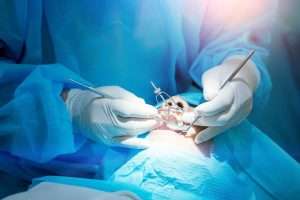
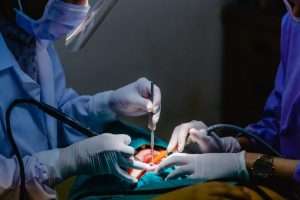
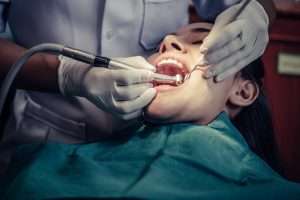
On the day of surgery, patient comfort is the priority. Most full-arch procedures are performed under conscious sedation or IV anesthesia, ensuring the patient is relaxed and unaware of the procedure. The surgery involves the removal of any remaining failing teeth, followed by socket preservation or bone leveling if necessary. The titanium implants are then precisely inserted into the jawbone. In many cases, the provisional set of teeth is attached to the implants the same day. This is a significant psychological boost for patients, as they leave the office with a functional, aesthetically pleasing smile. However, it is vital to remember that these are healing teeth. They are generally made of acrylic and are designed to be lighter than the final set to avoid putting too much pressure on the healing implants.
Phase 4: The Healing Period or Osseointegration (Months 3–6)
This phase is the longest but most important part of the timeline. Osseointegration is the biological process where the jawbone grows around and fuses with the titanium implant surface. This integration provides the strength required to bite into a steak or an apple. During this 3 to 6-month period, patients must adhere to a soft diet to prevent micro-movements of the implants, which could lead to failure. Following after implant placement instructions is non-negotiable. While the smile looks good in photos during this phase, the heavy lifting is happening below the gumline. For a bride or groom, this means that if surgery is performed 4 months before the wedding, they will likely attend the wedding wearing their provisional teeth. This is perfectly acceptable aesthetically, but they may need to be mindful of their diet at the reception.
Phase 5: The Final Restoration (Month 6+)
Once the surgeon confirms that the implants are fully integrated and the gum tissues have healed into their final shape, the fabrication of the permanent prosthesis begins. This final set is often made of Zirconia or a hybrid material, offering superior durability and esthetics compared to the acrylic provisional. The restorative dentist will take new impressions or digital scans. Several “try-in” appointments may occur to check the bite, speech, and aesthetics. This is the time to fine-tune the shade of white to ensure it looks natural in wedding photography. Once approved, the final bridge is secured.
What If the Wedding Is in 3 Months?
If a patient presents with a wedding date rapidly approaching, the All-on-X procedure is still an option, but expectations must be managed. In this scenario, the patient will almost certainly attend the wedding with the provisional (temporary) teeth. The provisional prosthesis is highly aesthetic and will look excellent in photographs. Friends and family will likely not know the difference. However, the patient will still be in the healing phase. This means they must stick to a soft diet during the wedding feast and avoid using their teeth to open things or bite very hard foods. With proper planning, a “Wedding Ready” smile is achievable on a short timeline, provided the patient understands they are mid-treatment.
Financial Considerations and Planning
A full mouth reconstruction is a significant financial investment. Patients should discuss the cost of dental implants and payment options early in the planning stages. Many practices offer guidance on insurance reimbursement for the surgical portion or third-party financing to make the treatment accessible. Reducing financial stress is a key part of wedding planning, so clarity on the financial policy is beneficial.
Why Specialist Care Matters
Given the stakes of a wedding deadline and the complexity of the surgery, selecting the right provider is paramount. This procedure sits at the intersection of surgical precision and cosmetic artistry. Board-certified oral and maxillofacial surgeons possess the specialized training required to manage complex bone anatomy, anesthesia, and potential complications. Surgeons such as Dr. Brent Dingman, Dr. Bob Kintz, and Dr. Brett Bezak are experienced in handling full-arch rehabilitations. Choosing a specialist ensures that if unforeseen issues arise—such as the need for extensive ridge augmentation or complex extractions—the team is equipped to handle them without jeopardizing the timeline.
Achieving the Perfect Day
A smile is a permanent accessory for a wedding day. Whether the goal is to fix a gap from missing teeth or to replace a failing dentition entirely, the All-on-X procedure offers a life-changing solution. By starting the conversation with Oral Surgery Associates of Grand Rapids well in advance, patients can ensure that when the photographer says “smile,” they do so with confidence, comfort, and genuine happiness.
About Oral Surgery Associates of Grand Rapids
Oral Surgery Associates delivers expert oral and maxillofacial surgical care in Grand Rapids and Grandville, specializing in dental implants, wisdom teeth removal, and jaw surgery. With a legacy of excellence, our board-certified surgeons combine advanced technology with a patient-first approach to ensure comfort, safety, and outstanding results. Trusted by families and referring dentists alike, we make your treatment experience seamless, compassionate, and backed by decades of surgical precision. For more information or to schedule a consultation at our Grand Rapids or Grandville locations, please visit our social media pages: Google Business Profile (Grand Rapids) and Google Business Profile (Grandville).