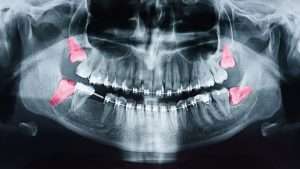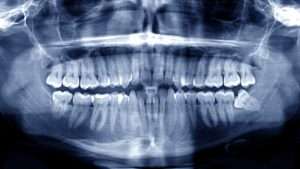


Initial healing of a tooth extraction site typically takes one to two weeks, during which the soft gum tissue closes entirely over the empty socket. However, complete bone regeneration beneath the surface can take several months to finalize. For optimal healing and to avoid common complications, following a structured guide for tooth extraction aftercare in Grand Rapids is highly recommended.
What Does Proper Tooth Extraction Aftercare in Grand Rapids Involve?
Proper aftercare is the cornerstone of a successful recovery following any dental removal procedure. The moment a tooth is removed, the body begins a complex biological process to repair the tissue and protect the underlying bone. Supporting this natural process requires patients to adhere strictly to clinical guidelines provided by their surgical team. The professionals at Oral Surgery Associates of Grand Rapids emphasize that understanding the distinct phases of recovery can alleviate anxiety and help individuals recognize the difference between normal healing and potential complications.
What Should Patients Expect During the First 24 Hours?
The first day following a removal procedure is the most critical period for establishing a stable foundation for recovery. During these initial hours, the primary objective is to control bleeding and encourage the formation of a healthy blood clot within the empty socket. Patients are usually advised to limit all physical activity, elevate their head while resting, and avoid any actions that create negative pressure in the mouth, such as spitting vigorously or using a straw. These guidelines align closely with protocols found in resources detailing what to expect after wisdom teeth surgery post-op care and recovery.
How Is Initial Bleeding Managed?
It is completely normal to experience minor oozing from the extraction site during the first 24 hours. Immediately following the procedure, sterile gauze is placed over the surgical area, and the patient is instructed to bite down with firm, consistent pressure. This pressure acts as a mechanical barrier that helps the blood to coagulate. If the original gauze becomes saturated, it should be carefully replaced with a fresh, slightly damp piece of gauze. The dampness prevents the cotton material from adhering to the newly forming clot. If heavy bleeding persists despite continuous pressure, patients should immediately contact the Grand Rapids office for further evaluation.
Why Is the Blood Clot So Important?
The blood clot serves as a biological bandage over the surgical site. It protects the exposed nerve endings and the underlying bone from bacteria and food particles. Furthermore, the clot provides a matrix or framework that allows new gum tissue and bone cells to migrate across the wound and begin the structural repair process. If this clot is dislodged prematurely, it exposes the sensitive tissues underneath, leading to a painful condition known as a dry socket. Protecting this clot is the primary reason why intense rinsing, smoking, and the use of drinking straws are strictly prohibited during the initial healing phase.
What Does Healing Look Like From Days Two to Three?
By the second and third days, the risk of significant bleeding decreases substantially. However, this is typically the time when localized swelling reaches its peak. The body increases blood flow to the surgical area to deliver white blood cells and essential nutrients necessary for tissue repair, which naturally results in inflammation. Mild to moderate discomfort is also expected during this window. Patients are advised to transition from a strictly liquid diet to very soft, easily chewable foods to avoid irritating the surgical wound.
How Can Swelling and Discomfort Be Minimized?
Applying cold compresses to the outside of the face adjacent to the extraction site is highly effective for managing both swelling and discomfort. The standard recommendation is to apply the ice pack for twenty minutes, followed by a twenty-minute break, repeating this cycle as needed throughout the day. Over-the-counter pain relievers, or specific medications prescribed by the surgical team, should be taken exactly as directed. Staying ahead of the discomfort is generally more effective than waiting for the pain to become severe before taking medication. Individuals who wish to consult directly regarding personalized pain management strategies can always meet the oral surgeons to discuss their specific medical history.
When Can Oral Hygiene Practices Resume?
Maintaining a clean oral environment is vital for preventing post-operative infections, but the approach must be gentle. Twenty-four hours after the procedure, patients may carefully resume brushing their remaining teeth, taking great care to avoid the immediate surgical area. Instead of vigorous mouthwash use or harsh spitting, patients are typically instructed to perform warm salt water rinses. A half teaspoon of salt dissolved in an eight-ounce glass of warm water creates a soothing, antibacterial rinse. Patients should simply let the liquid bathe the extraction site and then allow the water to fall passively from the mouth into the sink.
How Does the Extraction Site Progress Between Days Four and Seven?
As the first week progresses, patients generally notice a marked improvement in their daily comfort levels. The acute swelling should begin to subside, and the initial sharp discomfort typically transitions into a dull, manageable ache. The gum tissue at the margins of the socket will begin to show signs of contracture, slowly pulling together to close the gap. During this phase, any non-dissolvable sutures that were placed may require an appointment for removal, though many modern procedures utilize stitches that dissolve naturally over the course of a week.
Which Foods Are Safe During the First Week?
Nutrition plays a supportive role in wound healing. Soft foods rich in vitamins and protein are highly recommended. Excellent choices include scrambled eggs, smooth soups, yogurt, applesauce, and mashed potatoes. Hard, crunchy, spicy, or overly acidic foods must be avoided, as these can easily become trapped in the socket or irritate the delicate new tissue. Even routine procedures, such as a specialized wisdom teeth removal, require this careful dietary transition to ensure the delicate surgical sites remain undisturbed.
What Happens During the Second Week and Beyond?
By the conclusion of the second week, the soft gum tissue has usually bridged the gap, completely covering the extraction site. For most patients, this marks the end of any noticeable discomfort or specialized dietary restrictions. Normal brushing and flossing routines can typically be reinstated in full. While the surface appears fully healed, the intricate process of bone regeneration continues beneath the gums. The body slowly replaces the blood clot with a preliminary granulation tissue, which eventually mineralizes into dense, healthy jawbone.
How Does the Jawbone Recover Over Time?
Bone remodeling is a prolonged phase that takes anywhere from three to six months to complete. During this time, the bone fills in the void left by the tooth roots. In certain clinical scenarios, particularly when a patient plans to receive a dental implant in the future, the surgeon may place a bone graft into the socket immediately following the extraction. Patients exploring these long-term restorative options often benefit from understanding ridge augmentation, a technique designed to preserve the natural contours of the jawline and ensure a stable foundation for future dental prosthetics.
Frequently Asked Questions
How long should a patient rest after having a tooth pulled?
Patients are generally advised to rest completely for at least 24 to 48 hours following the procedure. Keeping the head elevated and avoiding strenuous physical activity helps minimize bleeding, reduces swelling, and supports the critical initial formation of the blood clot.
What are the signs of a dry socket?
A dry socket typically presents as an intense, throbbing pain that radiates to the ear or jaw, usually appearing three to five days after the procedure. It occurs when the protective blood clot is lost, exposing the underlying bone. If these symptoms occur, immediate clinical evaluation is required.
When is it safe to drink through a straw again?
Using a straw creates a vacuum effect in the mouth that can easily dislodge the newly formed blood clot. It is highly recommended to avoid using straws for at least seven to ten days following the procedure to ensure the surgical site heals without interruption.
Does a tooth extraction require follow-up visits?
Routine extractions that utilize dissolvable stitches often do not require a mandatory follow-up visit unless complications arise. However, specific surgical cases may require a post-operative appointment to remove non-dissolvable sutures or to monitor the progression of the healing bone.
When can normal exercise routines be resumed?
Light walking is generally acceptable after a few days, but heavy lifting, cardiovascular workouts, and intense sports should be avoided for at least a week. Elevated blood pressure from strenuous exercise can cause the extraction site to begin bleeding again.