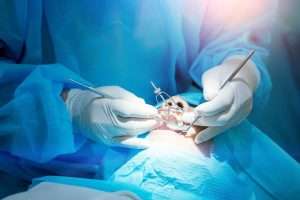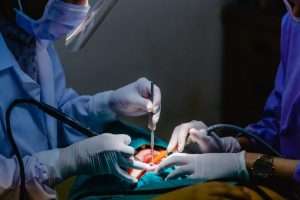

When most individuals hear the term “oral surgery,” the immediate association is often wisdom teeth removal or dental implants. While these procedures represent a significant portion of the specialty, the field of Oral and Maxillofacial Surgery (OMS) encompasses a far broader and more complex scope of treatment. This surgical specialty bridges the gap between dentistry and medicine, requiring extensive hospital-based training to manage diseases, injuries, and defects in the head, neck, face, jaws, and the hard and soft tissues of the oral (mouth) and maxillofacial (jaws and face) region.
Understanding the depth of this field helps patients appreciate the level of expertise required to address complex functional and aesthetic issues. From corrective jaw surgery to the reconstruction of facial trauma, the role of a board-certified oral surgeon is pivotal in restoring health and quality of life.
The Evolution and Scope of the Specialty
Oral and maxillofacial surgeons are unique medical specialists. After completing dental school, they undergo an additional four to six years of hospital-based surgical and anesthesia training. This rigorous education prepares them to perform complex procedures that go far beyond routine dental care. The practice focuses on diagnosing and treating a wide variety of conditions, ranging from impacted teeth to oral pathology and facial pain.
For patients in Western Michigan, accessing comprehensive care often begins with a referral to specialists such as those at Oral Surgery Associates of Grand Rapids. These surgeons are equipped to handle intricate anatomical challenges, ensuring that treatments are not only effective but also performed with the highest standards of safety.
Orthognathic Surgery: Correcting Jaw Irregularities
One of the most technically demanding aspects of the specialty is orthognathic surgery, commonly known as corrective jaw surgery. This is required when the upper and lower jaws do not meet correctly, or when teeth do not fit within the jaw properly. While orthodontics can straighten teeth, they cannot resolve underlying skeletal discrepancies.
Jaw irregularities can affect a patient’s ability to chew, speak, and breathe. In some cases, these structural issues contribute to sleep apnea or chronic temporomandibular joint (TMJ) pain. Jaw surgery involves repositioning all or part of the upper jaw, lower jaw, or chin. By moving the bones into a more balanced position, surgeons can dramatically improve function and facial appearance. This process often involves close collaboration between the oral surgeon and the patient’s orthodontist to ensure the teeth are properly aligned before and after the surgical phase.
Complex Dental Implant Rehabilitation
While general dentists may place implants, oral surgeons are the specialists typically tasked with complex rehabilitation cases. Dental implants are titanium posts designed to replace missing tooth roots, providing a stable foundation for artificial teeth. However, successful placement requires sufficient bone density and precise anatomical knowledge to avoid critical structures like nerves and sinuses.
When a patient has been missing teeth for an extended period, the jawbone often atrophies. In these scenarios, simple implant placement is impossible without adjunctive procedures. Oral surgeons utilize advanced techniques to rebuild the foundation of the jaw. For patients looking into replacing missing teeth, a thorough evaluation of bone health is the first step toward a permanent solution.
Bone Grafting and Sinus Lifts
A significant portion of maxillofacial surgery is dedicated to hard tissue reconstruction. Bone grafting is a procedure used to restore bone volume in the jaw, creating a solid base for dental implants. Surgeons may use bone from the patient’s own body, synthetic materials, or processed bone from a donor bank to promote new growth.
Specific anatomical challenges arise in the upper jaw, particularly in the posterior region where the maxillary sinuses are located. If the sinus floor is too low or the bone is too thin, implants cannot be placed securely. A procedure known as a sinus lift elevates the sinus membrane and places a bone graft underneath it. This increases the vertical height of the bone, allowing for safe and stable implant integration.
Furthermore, preventing bone loss immediately after an extraction is a proactive measure. Socket preservation involves placing grafting material into the socket at the time of tooth removal. This technique maintains the ridge’s contours and density, simplifying future restorative work.
Management of Impacted Teeth
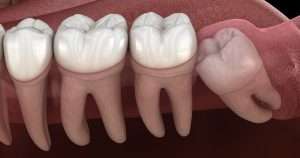
While the removal of wisdom teeth is a common procedure, the surgical management of impacted teeth extends to other areas of the dentition. An impacted tooth is one that fails to erupt through the gum line, often getting stuck against bone or other teeth. While this is most frequently seen with third molars, the canine teeth (cuspids) are also prone to impaction.
Because the canines play a critical role in the dental arch, every effort is usually made to salvage them. Surgeons perform exposure of impacted teeth, a procedure where the gum is lifted to expose the hidden tooth. A bracket is then bonded to the exposed tooth, and a chain is attached to the orthodontic archwire, allowing the orthodontist to slowly guide the tooth into its proper position. Ignoring impacted wisdom teeth or other impacted dentition can lead to cysts, root resorption of adjacent teeth, and infection.
Treating Facial Trauma
Facial trauma can result from motor vehicle accidents, accidental falls, sports injuries, or interpersonal violence. Oral and maxillofacial surgeons are the primary specialists called upon to treat these injuries in emergency room settings and private practice. The scope of facial trauma treatment includes repairing fractured jaws (mandible and maxilla), broken cheekbones, and orbital (eye socket) fractures, as well as managing soft tissue lacerations of the mouth and face.
Treatment involves not only the physical repair of the bone and tissue but also the preservation of facial aesthetics and function. Wiring the jaws shut is a less common practice today thanks to rigid fixation techniques using small plates and screws, which allow for faster healing and an earlier return to normal function.
Oral Pathology and Diagnostics
The inside of the mouth is lined with a special type of skin (mucosa) that should be smooth and coral pink. Alterations in this appearance can indicate a pathological process. Oral surgeons are trained to identify and manage oral pathology, which includes benign cysts, tumors, and pre-cancerous lesions.
Early detection is paramount. If a suspicious lump, discolored patch, or non-healing ulcer is detected, a biopsy is performed to determine the nature of the lesion. This diagnostic capability is a critical component of the specialty, ensuring that serious conditions are identified and treated promptly.
The Role of Advanced Technology
Modern maxillofacial surgery relies heavily on digital imaging and planning. Standard dental X-rays provide a two-dimensional view, which is often insufficient for complex surgical planning. Surgeons now utilize 3D imaging, specifically Cone Beam Computed Tomography (CBCT). This technology provides high-resolution, three-dimensional views of the patient’s anatomy, revealing the precise location of nerves, sinus cavities, and bone density.
This data allows surgeons to plan procedures virtually before touching the patient. Surgical guides can be fabricated to direct the precise angle and depth of implant placement, significantly reducing surgical time and enhancing recovery outcomes.
Anesthesia and Sedation Options
One of the hallmarks of an oral surgery practice is the ability to provide advanced anesthesia services. Patient comfort and safety are the top priorities during any surgical intervention. Unlike general dental practices, oral surgeons are trained in administering IV sedation and general anesthesia.
Understanding the conscious sedation options helps alleviate patient anxiety. Whether the procedure involves simple tooth extractions or complex reconstruction, the anesthesia team monitors vital signs continuously, adhering to the same safety protocols found in hospital operating rooms. This capability allows for complex procedures to be performed comfortably in an office setting.
The Collaborative Care Model
Maxillofacial surgery is rarely an isolated event; it is often part of a broader healthcare strategy. Surgeons work closely with referring dentists, orthodontists, and medical doctors to ensure continuity of care. For example, preparing the mouth for dentures often requires pre-prosthetic surgery to smooth bone and remove excess tissue, ensuring the final prosthesis fits comfortably.
When patients visit for their first visit, the consultation involves a comprehensive review of medical history and collaboration with the referring provider. This ensures that the surgical plan aligns with the patient’s restorative goals and overall health profile.
Choosing a Qualified Surgeon
Given the complexity of the procedures described, selecting the right provider is essential. Patients should look for board-certified surgeons who maintain active hospital privileges and engage in continuous education. Residents of Grand Rapids and the surrounding areas, including Wyoming, MI and Grandville, MI, have access to highly qualified specialists dedicated to full-scope oral and maxillofacial surgery.
Whether the need is for wisdom teeth removal or major reconstructive surgery, relying on a dedicated surgical team ensures that the treatment is backed by years of specialized training and clinical experience.
About Oral Surgery Associates of Grand Rapids
Oral Surgery Associates of Grand Rapids delivers expert oral and maxillofacial surgical care in Grand Rapids and Grandville, specializing in dental implants, wisdom teeth removal, and jaw surgery. With a legacy of excellence, the board-certified surgeons combine advanced technology with a patient-first approach to ensure comfort, safety, and outstanding results. Trusted by families and referring dentists alike, the practice ensures the treatment experience is seamless, compassionate, and backed by decades of surgical precision. To learn more or schedule a consultation, visit the Grand Rapids or Grandville offices.
Follow Oral Surgery Associates of Grand Rapids on social media:
Google Business Profile – Grand Rapids | Google Business Profile – Grandville