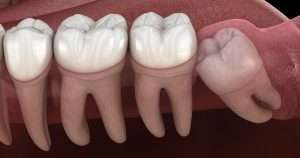


Having your wisdom teeth extracted is a common dental procedure that many individuals experience, especially during their late teens and early twenties. While the surgery itself is typically straightforward, understanding what happens next is crucial for a smooth recovery. Let’s dive into the essentials of Wisdom Teeth Surgery Recovery and the steps you should follow post-operation.
Immediate Aftercare
Once the surgery is complete, the first 24 hours are vital. You’ll likely be groggy from the anesthesia and experience swelling and discomfort. Here’s what to expect:
- Gauze Pads: You’ll be given gauze pads to bite down on. This helps control bleeding. Change them every 30-60 minutes, or as directed by your oral surgeon.
- Pain Management: Over-the-counter pain relievers like Tylenol (acetaminophen) and Motrin (ibuprofen) can be beneficial. Your surgeon may also prescribe stronger medication if necessary.
- Ice Packs: Apply ice packs to your cheeks intermittently (20 minutes on, 20 minutes off). This minimizes swelling and provides relief.
Diet and Hydration
What you consume plays a significant role in your recovery. Here are the dietary guidelines to follow:
- Soft Foods: Stick to soups, yogurt, and mashed potatoes for the first few days. Avoid hard, crunchy, or chewy foods.
- Hydration: Drink lots of water. It is easy to become dehydrated after oral surgery, which will complicate your recovery. Avoid sugary, caffeinated, or alcoholic beverages.
- Temperature Matters: Opt for lukewarm or cold foods and drinks. Hot items can irritate the extraction site.
Oral Hygiene Tips
Keeping your mouth clean is essential to avoid infection. However, you’ll need to take special care not to disturb the surgical sites.
- Rinsing: After 24 hours, rinse gently with salt water several times a day, especially after meals. Some patients are given medicated mouth rinses to use.
- Brushing: Continue brushing your teeth but do so carefully, avoiding the extraction areas.
- Avoid Smoking: Smoking of any type can delay healing and increase the risk of complications. Avoid chewing tobacco.
Activity and Rest
Your body needs time to heal, and rest is paramount.
- Rest: Take it easy for at least a couple of days. Avoid strenuous activities or exercise to minimize discomfort.
- Head Elevation: When resting or sleeping, prop your head up with pillows. This helps reduce swelling.
Managing Common Symptoms
Awareness of what symptoms are normal and which ones aren’t can ease anxiety during recovery.
- Swelling and Bruising: These are normal and can peak around the third day before subsiding.
- Pain and Discomfort: Soreness at the extraction site and some throbbing are typical.
- Bleeding: Minor bleeding is expected but should taper off. It is normal for it to mildly restart over the first few days, especially after meals or anything that disturbs the sites. If it continues excessively, contact your oral surgeon.
Red Flags
While complications are rare, knowing when to seek immediate help is important.
- Severe Pain: Pain that worsens severely 4-6 days after can be a sign of an infection or dry socket.
- New Swelling: The initial swelling usually goes away around 7-10 days after the procedure. If it comes back, that could be a sign of an infection and warrants a call to your surgeon.
- Persistent numbness: If you experience numbness in your chin or tongue lasting longer than 72 hours, please call to arrange a follow up visit for 1-2 weeks from the procedure. Many doctors use a long-acting numbing medication that can help keep pain more controlled for the first hours and possibly days, but anything lasting longer should be evaluated.
- Excessive Bleeding: Persistent heavy bleeding warrants a call to your surgeon.
Follow-Up Appointments
Most patients don’t need arbitrarily-scheduled follow up appointments, but we will be happy to arrange follow up if there are concerns.
Long-Term Care
Even after the initial healing phase, there are steps to continue promoting good oral health.
- Healthy Habits: Maintain a routine of brushing and flossing to keep your teeth and gums healthy.
- Check-ups: Regular dental visits can help monitor your overall oral health and catch any potential issues early.
Recovering from wisdom teeth surgery doesn’t have to be stressful. By closely following the outlined steps, you can navigate the post-op period with confidence. Oral Surgery Associates of Grand Rapids is here to help guide you through every stage of this journey, ensuring your recovery is as smooth and comfortable as possible.
Feel free to reach out to us with any questions or concerns you may have. Looking forward to seeing you healthy and happy post-surgery!