
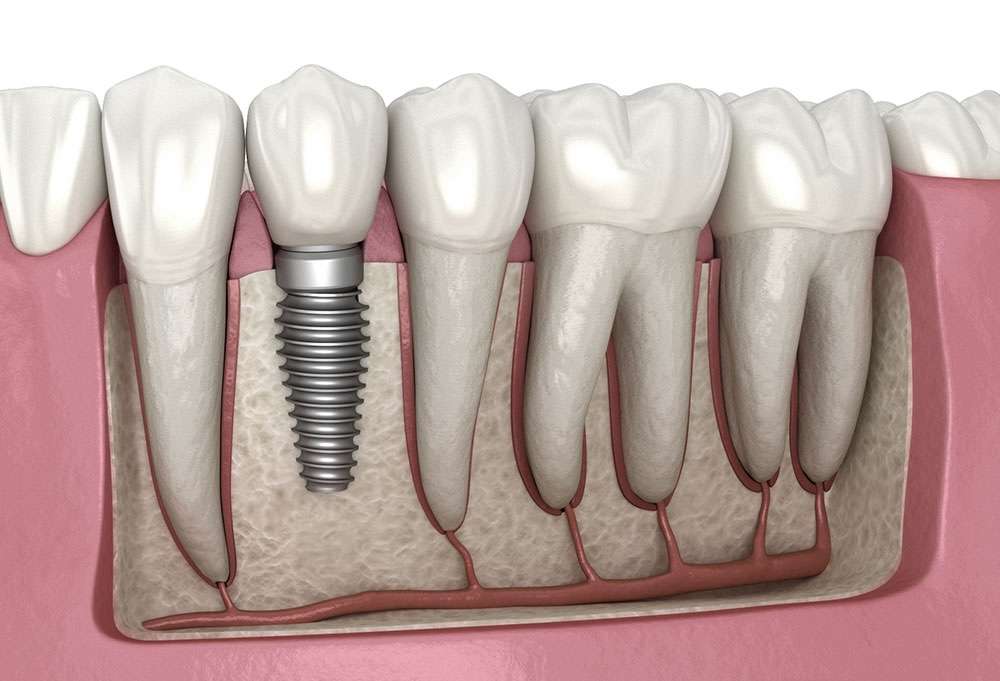
When a tooth is lost due to injury, decay, or periodontal disease, the impact extends beyond the immediate gap in the smile. The loss of a natural tooth initiates a series of biological changes within the oral cavity that can affect jawbone density, facial structure, and chewing function. While traditional restorative methods such as dental bridges and removable dentures have served patients for decades, dental implants have emerged as the gold standard for tooth replacement. Unlike other options, implants address the underlying structural needs of the jaw, offering a solution designed to last a lifetime when properly maintained. For residents in West Michigan, Oral Surgery Associates of Grand Rapids provides comprehensive expertise in implantology, ensuring patients understand the long-term physiological benefits of this advanced treatment.
The Physiology of Tooth Loss and Osseointegration
To understand why dental implants provide superior long-term results, one must first understand the biology of the jawbone. Natural teeth are anchored into the jaw by their roots. When a person chews, the pressure exerted travels down the root and stimulates the surrounding bone tissue. This stimulation is vital for maintaining bone density and volume. When a tooth is extracted or falls out, this stimulation ceases, leading to a process known as resorption, where the body begins to break down and reabsorb the jawbone.
Dental implants are distinct from other replacements because they mimic the natural tooth root. The implant fixture is typically made of medical-grade titanium, a material known for its biocompatibility. Through a biological process called osseointegration, the titanium post fuses with the living bone tissue. This fusion creates a stable, permanent anchor for the replacement tooth (crown) or bridge. More importantly, the implant transmits chewing forces back to the jawbone, providing the necessary stimulation to prevent bone loss. This mechanism makes replacing missing teeth with implants a proactive measure for preserving oral health.
Comparing Implants to Traditional Restorative Methods
Historically, patients with missing teeth relied on fixed bridges or removable partial dentures. While these treatments restore the appearance of the smile and some functionality, they do not address the issue of bone preservation. Furthermore, traditional bridges often require the alteration of healthy adjacent teeth to support the prosthetic. This involves grinding down the enamel of neighboring teeth to fit crowns, which can increase the risk of decay or structural failure in those supporting teeth over time.
In contrast, an implant is a standalone restoration. It does not rely on adjacent teeth for support, thereby preserving the integrity of the remaining natural dentition. Removable dentures, while initially cost-effective, often become loose over time due to the gradual deterioration of the jawbone beneath them. This can lead to discomfort, difficulty eating, and the need for frequent relining or replacement. Because dental implants integrate with the bone, they provide a level of stability that removable prosthetics cannot match. For patients missing an entire arch of teeth, implant-supported overdentures offer a hybrid solution, anchoring a denture securely to implants to prevent slippage and bone loss.
The Role of Surgical Precision and Technology
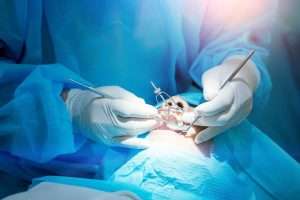
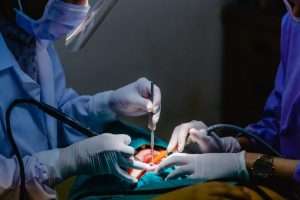
The longevity of a dental implant is heavily influenced by the precision of its placement. Modern oral surgery relies on advanced diagnostic tools to ensure optimal outcomes. Board-certified surgeons utilize 3D imaging (Cone Beam CT scans) to visualize the patient’s anatomy in three dimensions. This technology allows the surgical team to assess bone quality, locate nerves and sinuses, and plan the exact angle and depth of the implant placement before the procedure begins.
This level of detailed planning reduces surgical risks and enhances the success rate of osseointegration. By accurately mapping the surgical site, surgeons can determine if a patient requires preliminary procedures to build up the foundation for the implant. For instance, if a tooth has been missing for a significant period, the bone may have already atrophied. In such cases, bone grafting for implants is performed to restore adequate height and width to the jawbone, ensuring the implant has a solid base for long-term stability.
Addressing Complex Cases and Bone Health
Not every patient presents with ideal conditions for immediate implant placement. However, advancements in oral and maxillofacial surgery allow even complex cases to be candidates for this long-term solution. Specialized procedures such as sinus lifts are available for patients who have experienced bone loss in the upper jaw near the sinus cavities. By gently lifting the sinus membrane and adding bone graft material, surgeons create sufficient space for implant integration.
Furthermore, timing plays a crucial role in the long-term success of tooth replacement. When a tooth must be extracted due to damage or infection, performing socket preservation at the time of extraction can maintain the alveolar ridge’s shape. This proactive step simplifies the future placement of a dental implant and contributes to a more esthetic and functional result.
Durability and Maintenance: A Lifetime Investment
When evaluating the cost of dental implants, it is essential to consider the lifespan of the restoration. Traditional bridges may need replacement every 10 to 15 years due to wear or changes in the supporting teeth. Dentures typically require adjustments or replacement every 5 to 7 years. In contrast, a well-placed and properly maintained dental implant can last a lifetime.
Maintenance for dental implants is similar to that of natural teeth, involving regular brushing, flossing, and professional cleanings. While the titanium post and ceramic crown cannot decay, the gum tissue surrounding the implant remains susceptible to inflammation if oral hygiene is neglected. Conditions such as peri-implantitis can jeopardize the stability of the implant. Therefore, adhering to post-operative instructions and attending follow-up appointments after implant placement is critical for ensuring the longevity of the restoration.
Expertise in Implantology
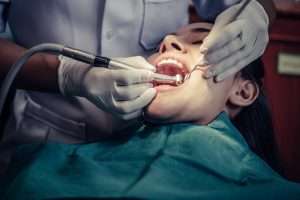
The placement of dental implants is a complex surgical procedure that requires extensive training and an in-depth understanding of oral biology. Oral and maxillofacial surgeons undergo years of additional hospital-based anesthesia and surgical training after dental school. This expertise is vital not only for the placement of the implant but also for managing the patient’s overall comfort and safety.
Surgeons at Grand Rapids and Grandville locations are equipped to handle various levels of complexity, from single tooth replacements to full-arch restorations. They also offer various anesthesia options, including conscious sedation, to ensure the patient experience is anxiety-free. Choosing a specialist ensures that contingencies are managed effectively and that the materials used meet the highest standards of quality.
Facial Esthetics and Psychological Benefits
Beyond the functional advantages, the long-term esthetic benefits of dental implants are significant. Severe bone loss in the jaw can lead to a premature aging appearance, characterized by the collapse of the lower third of the face and the formation of deep wrinkles around the mouth. By preserving jaw bone health, implants maintain the natural contours of the face.
Psychologically, the security provided by a fixed solution allows patients to speak, laugh, and eat without the fear of a prosthetic slipping or clicking. This restoration of confidence is often cited by patients as one of the most valuable aspects of choosing implants over other replacement options. Whether replacing a single tooth or addressing cases where a patient is missing all upper or lower teeth, the result is a smile that looks, feels, and functions like natural teeth.
Strategic Planning for Oral Health
Patients considering tooth replacement are encouraged to consult with an oral surgeon to discuss their specific needs. During the first visit, the surgical team conducts a comprehensive evaluation to determine eligibility and outline a treatment plan. This plan may include coordination with a restorative dentist who will fabricate the final crown or bridge once the implant has healed.
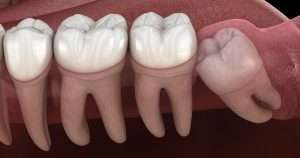
For those facing the extraction of wisdom teeth or other compromised teeth, discussing implant options prior to extraction is beneficial. This allows for a seamless transition and ensures that bone preservation strategies are implemented immediately. The practice also provides detailed surgical instructions to guide patients through the recovery process, further safeguarding the long-term success of the procedure.
Commitment to Patient Care
Oral Surgery Associates delivers expert oral and maxillofacial surgical care in Grand Rapids and Grandville, specializing in dental implants, wisdom teeth removal, and jaw surgery. With a legacy of excellence, the board-certified surgeons combine advanced technology with a patient-first approach to ensure comfort, safety, and outstanding results. Trusted by families and referring dentists alike, the practice makes the treatment experience seamless, compassionate, and backed by decades of surgical precision.
For more information or to schedule a consultation, visit the contact page. Patients can also connect with the practice through their social media channels: Grand Rapids Location and Grandville Location.