
As the fall semester draws to a close, college and high school students across Grand Rapids and Grandville look forward to a reprieve from academic rigors. The winter break typically signifies a time for holidays, relaxation, and reuniting with family. However, for many families, this hiatus also presents a strategic window for addressing oral health needs that have been postponed due to busy schedules. Specifically, December is widely recognized within the dental community as the optimal time for wisdom teeth removal.
The convergence of academic downtime, end-of-year insurance benefits, and the biological advantages of extracting third molars during young adulthood makes this season the busiest for oral surgeons. Understanding the clinical and logistical reasons behind this trend can help parents and students make informed decisions regarding wisdom teeth management.
The Strategic Advantage of Academic Downtime
The primary driver for scheduling oral surgery during the winter break is the recovery timeline. While wisdom tooth extraction is a routine outpatient procedure, it is nonetheless a surgery that requires a period of rest and recuperation. For high school and college students, academic demands usually make it difficult to take three to five days off for recovery during the semester. Missing lectures, exams, or sports practices can add unnecessary stress to the healing process.
Winter break offers a distinct advantage: a block of two to four weeks where students are free from scholastic obligations. By scheduling the procedure early in the break, patients can undergo surgery and complete the initial healing phase—where swelling and discomfort are most improved—without the pressure of returning to class immediately. This allows for a focus on proper post-operative care, which is essential for preventing complications.
Furthermore, college students returning home to Grand Rapids or Grandville often benefit from parental support during recovery. Having a family member present to assist with transportation, prescription management, and dietary modifications (such as preparing soft foods) significantly enhances the patient experience and compliance with after-care instructions for wisdom tooth removal.
Clinical Perspectives: Why Remove Wisdom Teeth Now?
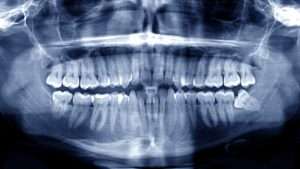
Wisdom teeth, or third molars, generally develop between the ages of 17 and 25. Anthropologically, these teeth were necessary for ancestors with coarser diets, but modern jaw structures often lack the space to accommodate them. This lack of space leads to a condition known as impaction.
Understanding Impaction
When a tooth is impacted, it fails to erupt through the gum line or erupts only partially. Impacted wisdom teeth can grow at various angles—horizontally, toward the second molar, or inward toward the back of the mouth. This irregular positioning can cause several oral health issues, including:
- Damage to Adjacent Teeth: Pressure from the erupting wisdom tooth can damage the roots of the second molar or cause crowding.
- Cysts and Tumors: Fluid-filled sacs can form around the unerupted tooth, potentially damaging the jawbone and nerves.
- Infection (Pericoronitis): Partially erupted teeth create a flap of gum tissue that traps food and bacteria, leading to painful infections.
Surgeons utilize advanced diagnostic tools, such as 3D imaging technology, to assess the position of these teeth relative to the nerves and sinuses. This precision allows for a safer and more predictable surgical outcome.
The “Age Advantage” in Oral Surgery
There is a clinical consensus that the late teenage years to early twenties represent the ideal biological window for removing third molars. During this developmental stage, the roots of the wisdom teeth are not yet fully formed. The bone surrounding the teeth is also less dense than in older adults.
These factors combine to make the extraction process less complex and the recovery significantly faster. As patients age, the roots lengthen and may curve around sensitive facial nerves, specifically the inferior alveolar nerve. Waiting until later in life generally increases the surgical risk and extends the healing period. Therefore, preventative removal during the student years is often recommended even if the patient is not currently experiencing acute pain.
What to Expect: The Surgical Experience
For students and parents navigating this process for the first time, understanding the workflow of the procedure can alleviate anxiety. The journey begins with a consultation where the surgeon reviews the patient’s medical history and radiographs. Once the decision for extraction is made, the focus shifts to patient comfort.
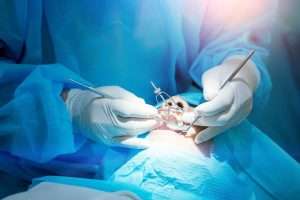
Most wisdom teeth extractions are performed under some form of anesthesia. Conscious sedation or IV sedation is commonly utilized to ensure the patient remains relaxed and has no memory of the procedure. This is particularly beneficial for patients with dental anxiety. The surgical team monitors vital signs throughout the operation to ensure safety.
The surgery itself typically takes under an hour. However, proper preparation is key. Patients must follow specific guidelines regarding fasting and medication prior to their appointment. Reviewing pre-anesthesia instructions is a critical step in preparing for the day of surgery.
Post-Operative Care and Recovery
Success in oral surgery is not just about what happens in the operating room; it is equally dependent on how the patient manages their recovery at home. Following the extraction, patients will experience some degree of swelling and mild discomfort, which typically peaks around day three.
Management strategies include:
- Ice and Rest: Applying ice packs to the cheeks helps minimize swelling.
- Dietary Adjustments: Sticking to a soft-food diet (yogurt, smoothies, mashed potatoes) prevents injury to the surgical sites.
- Hygiene: Keeping the mouth clean is vital, but patients must avoid vigorous rinsing or using straws, as the suction can dislodge the blood clot and lead to a painful condition known as dry socket.
Detailed guidance on managing the recovery period can be found in the post-operative instructions for extractions provided by the surgical team.
Financial Considerations: End-of-Year Benefits
Beyond the academic calendar, December is a pivotal month for financial reasons. Most dental insurance plans operate on a calendar year, meaning that annual maximums reset on January 1st. If a family has paid their deductible but has remaining benefits, utilizing them for oral surgery in December is a fiscally sound decision.
Unused benefits generally do not roll over to the next year. Consequently, scheduling the procedure before December 31st allows families to maximize their insurance coverage. For those requiring detailed information regarding coverage, reviewing the practice’s insurance policy and information is recommended. Additionally, established practices typically offer transparent financial policies to help families plan for any out-of-pocket costs.
Choosing the Right Surgical Team
While convenience is important, the expertise of the provider is paramount. Wisdom tooth extraction is a surgical procedure that involves bone and soft tissue manipulation in close proximity to nerves and sinuses. Therefore, it is advisable to seek care from board-certified oral and maxillofacial surgeons.
Residents of West Michigan have access to highly qualified specialists. The surgical team at Oral Surgery Associates of Grand Rapids includes experienced practitioners such as Dr. Brent Dingman, Dr. Bob Kintz, and Dr. Brett Bezak. These surgeons undergo years of hospital-based residency training beyond dental school, specializing in anesthesia, general surgery, and emergency medicine.
Whether visiting the Grand Rapids office or the Grandville location, patients benefit from a standard of care that prioritizes safety and long-term oral health.
Scheduling Before the Rush
Because the winter break is such a popular time for students to undergo these procedures, appointments fill up rapidly. It is not uncommon for surgical schedules to be fully booked weeks in advance of the holiday season. Parents are encouraged to initiate the process early in the fall semester.
The first step is typically a consultation visit. During this initial appointment, the surgeon determines the complexity of the case and the appropriate sedation method. By securing a consultation early, families can guarantee a surgical date that aligns with the student’s academic break, ensuring a stress-free recovery period.
While wisdom teeth are the most common concern for this age group, the winter break is also an appropriate time to address other oral surgical needs, such as exposure of impacted teeth for orthodontic purposes or consultation for corrective jaw surgery. Regardless of the procedure, early planning ensures that health needs are met without disrupting education.
Final Thoughts on Student Oral Health
Addressing wisdom teeth during the winter break is a decision that combines medical necessity with logistical practicality. It prevents the unpredictability of dental emergencies during final exams and utilizes the natural downtime of the holiday season for healing. With proper planning and the guidance of expert surgeons, students can return to school in January healthy, recovered, and free from the potential complications of impacted teeth.
About Oral Surgery Associates of Grand Rapids
Oral Surgery Associates of Grand Rapids delivers expert oral and maxillofacial surgical care in Grand Rapids and Grandville, specializing in dental implants, wisdom teeth removal, and jaw surgery. With a legacy of excellence, the practice’s board-certified surgeons combine advanced technology with a patient-first approach to ensure comfort, safety, and outstanding results. Trusted by families and referring dentists alike, Oral Surgery Associates of Grand Rapids makes the treatment experience seamless, compassionate, and backed by decades of surgical precision.
Connect with the practice on social media:
Grand Rapids Location & Grandville Location