Understanding the Importance of Wisdom Teeth Removal
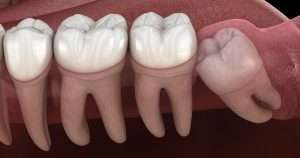
Wisdom teeth, or third molars, typically emerge in late adolescence or early adulthood. While some people may never experience issues, many encounter problems. Hence, the preemptive removal of wisdom teeth can often be the best course of action.
Why Wisdom Teeth Cause Issues
Wisdom teeth can lead to a host of dental problems if not addressed timely. These problems can range from mild discomfort to serious dental conditions. Here’s why:
- Impaction: Wisdom teeth often become impacted due to a lack of space in the mouth. An impacted tooth can lead to infection, swelling, and severe pain.
- Crowding: Emerging wisdom teeth can cause crowding of existing teeth, disrupting the alignment achieved through orthodontic treatment.
- Decay: Due to their position in the back of the mouth, wisdom teeth are harder to clean. This makes them more susceptible to cavities and gum disease.
- Cysts and Tumors: In rare cases, impacted wisdom teeth can develop cysts or tumors, which can damage the jawbone and nearby teeth.
Early Wisdom Teeth Removal for Easier Recovery
One of the primary reasons for removing wisdom teeth before they cause problems is that younger patients typically recover more swiftly. The roots of wisdom teeth aren’t fully developed, making extraction simpler. Additionally, younger jaws are more resilient, allowing for a smoother healing process.
Preventing Future Complications
Waiting for wisdom teeth to cause problems can lead to more complicated and painful extractions. Early removal minimizes risk to adjacent teeth and bone.
Key reasons to consider proactive wisdom teeth removal include:
- Reduced risk of damage: Avoiding the chance that wisdom teeth damage neighboring teeth.
- Avoiding misalignment: Preventing the shifting of other teeth.
- Decreasing infection risks: Lowering the likelihood of infections.
Symptoms Indicating Wisdom Teeth Problems
If you’re noticing any of the following symptoms, it might be time to visit a specialist:
- Pain at the back of your mouth
- Swelling around the jaw
- Bad taste or odor in your mouth
- Difficulty opening your mouth
These symptoms can indicate that your wisdom teeth are causing trouble and may need removal.
The Extraction Procedure
At Oral Surgery Associates of Grand Rapids, we prioritize patient care and comfort above all. Here’s a brief overview of the extraction process:
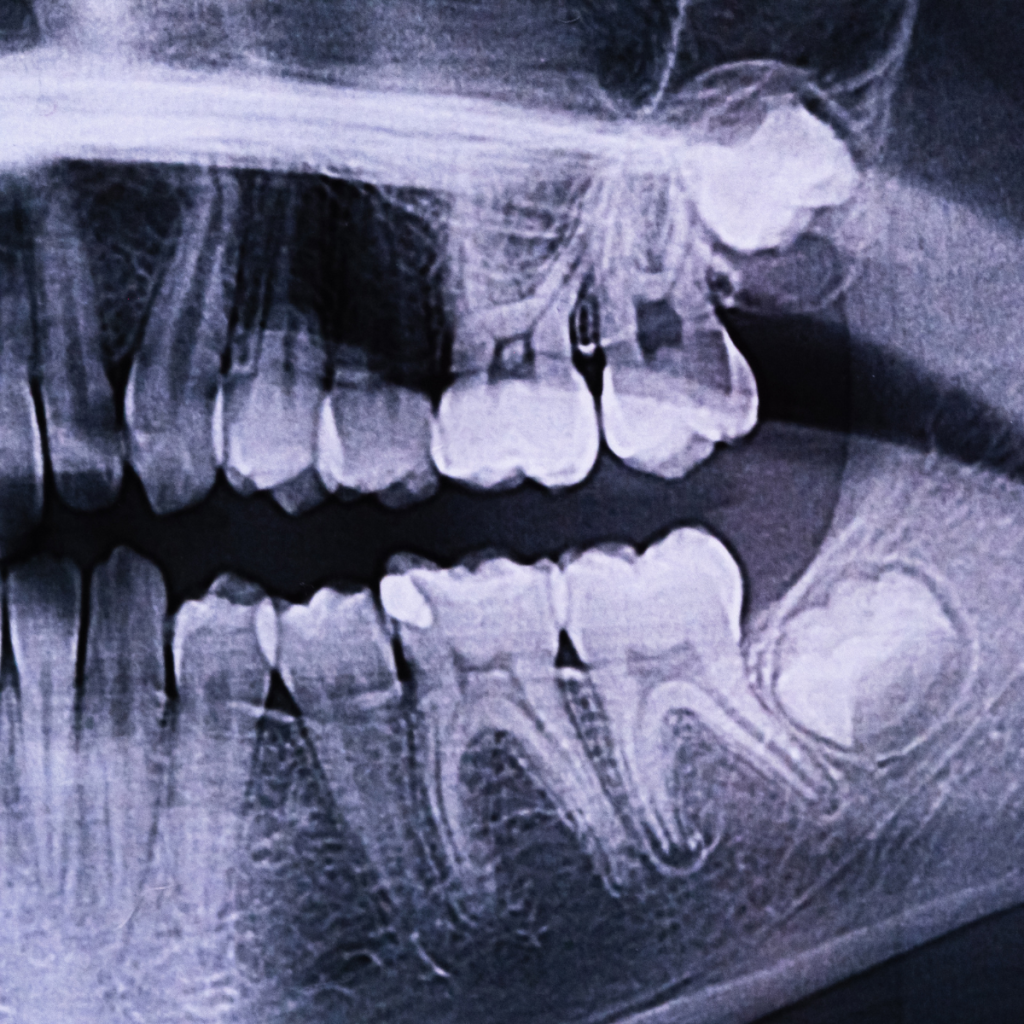
- Consultation: The journey begins with a thorough consultation. X-rays are taken to assess the position and health of the wisdom teeth.
- Anesthesia: To manage pain, local or general anesthesia is administered.
- Extraction: The oral surgeon skillfully removes the wisdom teeth, minimizing tissue trauma to facilitate a quicker recovery.
- Post-Operative Care: Detailed aftercare instructions are provided to promote healing and mitigate complications.
Aftercare and Recovery Of Wisdom Teeth Removal
Proper aftercare is crucial following an extraction to avoid complications like dry socket or infection. Tips for a smooth recovery include:
- Rest: Allow your body to heal.
- Ice Packs: Reduce swelling with intermittent application.
- Soft Foods: Stick to a soft diet to avoid irritation.
- Avoiding Smoking and Alcohol: These can impede healing.
When to Seek Professional Advice
Anyone experiencing wisdom tooth pain or related dental issues should consult an oral surgeon promptly. Early intervention can prevent more serious issues down the line.
Wisdom teeth can be a source of significant dental complications. By opting for early wisdom teeth removal, you can safeguard your dental health. At Oral Surgery Associates of Grand Rapids, we specialize in wisdom teeth extraction and are committed to providing exceptional care. If you think you might need your wisdom teeth removed, don’t hesitate to reach out for a consultation. Your future self will thank you for taking a proactive approach to your dental wellness.