For individuals suffering from extensive tooth loss or the breakdown of failing dentition, the prospect of a full mouth reconstruction offers a pathway to restored function and aesthetics. However, a common obstacle often arises during the consultation phase: jawbone atrophy. Patients are frequently told that they lack sufficient bone volume for traditional dental implants, leading to discouragement and the assumption that removable dentures are their only option. Fortunately, the All-On-X treatment protocol was specifically engineered to address these anatomical challenges, often making it a viable solution even for patients who have experienced moderate to severe bone loss.
Understanding the relationship between tooth loss, bone resorption, and modern surgical techniques is essential for any patient considering this transformative procedure. By leveraging advanced biomechanics and precise surgical planning, oral surgeons can often bypass the need for extensive grafting, providing a stable foundation for a fixed prosthesis.
The Physiology of Jawbone Resorption
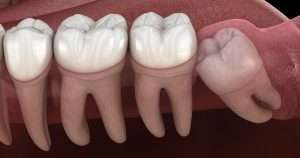
To understand why bone loss occurs, one must look at the biological relationship between the teeth and the jaw. The alveolar bone—the portion of the jaw that anchors the teeth—relies on the physical stimulation generated by chewing to maintain its density and volume. When a tooth is extracted or falls out, that stimulation ceases. The body, recognizing that the bone is no longer supporting a tooth, begins to resorb the tissue, much like a muscle atrophies without exercise.
This process, known as jaw bone loss and deterioration, can accelerate due to long-term denture use. Traditional dentures rest on top of the gums and do not stimulate the underlying bone; in fact, the pressure they exert can sometimes speed up resorption. Over time, this leads to the collapse of the facial structure, creating a premature aging appearance and making implant placement more complex.
How All-On-X Differs from Traditional Implant Placement
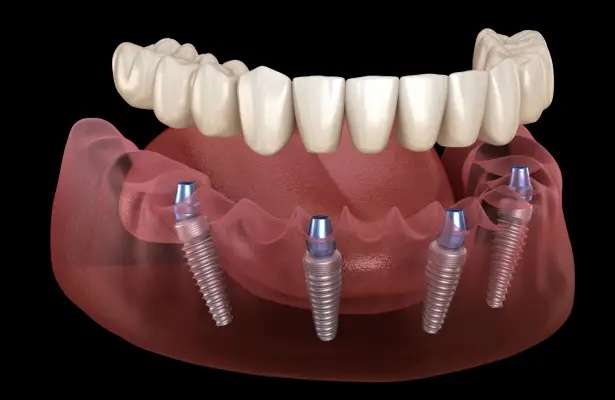
The All-On-X concept (often referred to as All-on-4 or full arch replacement) differs significantly from replacing teeth individually. In a traditional approach, an implant is placed vertically into the jawbone for each missing tooth, or bridges are used that require vertical bone height in specific areas. The posterior maxilla (upper back jaw) is particularly problematic because bone loss here is often compounded by the expansion of the sinus cavity.
The All-On-X protocol addresses these deficits through biomechanics. By placing the two posterior implants at a 30 to 45-degree angle, surgeons can utilize available bone in the anterior (front) part of the jaw, which is generally denser and less prone to atrophy. This angulation allows the implants to anchor into better quality bone while avoiding anatomical structures like the maxillary sinus or the inferior alveolar nerve in the lower jaw.
This strategic placement often allows patients to receive implant-supported full arch restorations without the need for the extensive bone grafting that would be required for traditional vertical implants. Therefore, many patients who have been told they are not candidates for standard implants are indeed excellent candidates for All-On-X.
The Role of Advanced Diagnostics
Determining candidacy requires more than a visual inspection or a standard 2D X-ray. To safely navigate areas of bone loss, oral surgeons utilize 3D imaging technology (Cone Beam CT scans). These scans provide a three-dimensional volumetric view of the jaw, highlighting the exact height, width, and density of the remaining bone.
During a consultation appointment, the surgeon reviews these images to map out the precise placement of implants. This technology reveals whether the angulated placement of the All-On-X technique provides sufficient stability or if the bone loss is too advanced and requires auxiliary procedures.
Solutions for Severe Atrophy
While the All-On-X technique minimizes the need for grafting, there are cases where the bone resorption is so severe that even angled implants cannot achieve initial stability. In these instances, preparatory procedures may be necessary to rebuild the foundation before implant placement can occur.
Bone Grafting and Socket Preservation
If a patient still has failing teeth that need to be removed, the surgeon may perform socket preservation at the time of extraction. This involves placing bone graft material directly into the empty tooth socket to prevent immediate collapse of the ridge. For patients who have been missing teeth for years, onlay grafts or block grafts may be utilized to restore the necessary width to the alveolar ridge.
Sinus Lifts for Upper Jaw Restoration
In the upper jaw, bone loss often coincides with the enlargement of the sinus cavity. When there is insufficient bone height between the oral cavity and the sinus floor, a sinus lift procedure becomes necessary. This procedure involves gently elevating the sinus membrane and placing bone graft material underneath it. Once healed, this creates a solid bony environment capable of supporting the implants required for the full arch prosthesis.
Zygomatic Implants
In the most extreme cases of maxillary atrophy, where there is almost no jawbone left, surgeons may consider Zygomatic implants. These specialized, longer implants anchor into the zygoma (cheekbone) rather than the maxilla. This advanced approach can often provide immediate function without the long waiting periods associated with massive bone grafting.
Pre-Prosthetic Surgery and Preparation
Successful All-On-X surgery is not just about finding bone; it is about creating the ideal environment for the prosthetic teeth. Many candidates require pre-prosthetic surgery to smooth and reshape the jawbone. This procedure, known as alveoloplasty, levels the bone surface to ensure the new set of teeth sits evenly and comfortably. This leveling process also helps create a wider shelf of bone, effectively increasing the surface area for implant integration, which is crucial for patients starting with compromised bone volume.
The Surgical Experience and Sedation
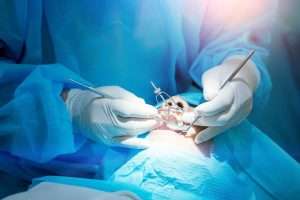
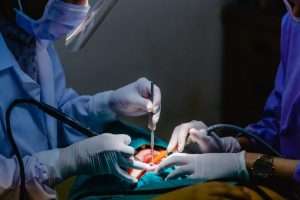
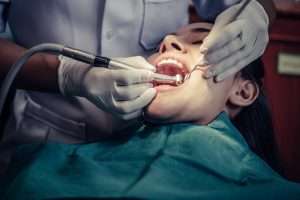
Undergoing full arch rehabilitation is a significant surgical event. Patients concerned about bone loss are often equally concerned about the complexity and comfort of the procedure. Board-certified oral surgeons typically utilize IV sedation or general anesthesia to ensure the patient remains completely comfortable and unaware of the procedure while it is happening. Advanced anesthesia monitoring ensures safety throughout the surgery.
Recovery instructions are detailed to ensure the bone heals correctly around the titanium posts. Adhering to post-operative implant instructions is critical, especially for patients with a history of bone loss, as the initial integration period is vital for long-term stability.
Why Specialist Care Matters
The placement of implants in atrophic jaws requires a high level of surgical precision. While many general dentists offer implant services, the complexities of managing bone loss, sinus proximity, and nerve location fall squarely within the expertise of oral and maxillofacial surgeons. Surgeons like Dr. Brent Dingman, Dr. Brett Bezak, and Dr. Bob Kintz undergo years of hospital-based residency training specifically focused on hard and soft tissue surgery.
Choosing a specialist ensures that if complications arise or if bone volume is less than anticipated once surgery begins, the surgeon has the training and repertoire of techniques—such as complex bone grafting or ridge augmentation—to manage the situation effectively. Patients in the Grand Rapids and Grandville areas benefit significantly from seeking care that prioritizes surgical safety and long-term viability over speed.
Financing and Long-Term Value
Investing in full arch restoration is a major financial decision. However, unlike dentures which require frequent relining and replacement due to continued bone loss, implant-supported solutions help preserve the remaining bone structure. Most surgical practices have a financial policy that helps patients understand the investment. While insurance may cover parts of the procedure, specifically extractions or diagnostics, the long-term value lies in the restoration of biting force, speech clarity, and facial aesthetics.
Taking the Next Step
If you have been told you have bone loss, it does not automatically disqualify you from fixed implant solutions. The All-On-X protocol was designed for this exact scenario. Through careful planning, the use of angled implants, and potential grafting where absolutely necessary, function can be restored. The first step is obtaining a clear picture of the anatomy through a consultation and 3D imaging.
Oral Surgery Associates delivers expert oral and maxillofacial surgical care in Grand Rapids and Grandville, specializing in dental implants, wisdom teeth removal, and jaw surgery. With a legacy of excellence, our board-certified surgeons combine advanced technology with a patient-first approach to ensure comfort, safety, and outstanding results. Trusted by families and referring dentists alike, we make your treatment experience seamless, compassionate, and backed by decades of surgical precision.
To schedule a consultation, visit our contact page or connect with us on social media: Oral Surgery Associates of Grand Rapids and Oral Surgery Associates of Grandville.