For many young adults, the emergence of the third molars, commonly known as wisdom teeth, is a significant milestone in oral development. Typically appearing between the ages of 17 and 25, these teeth are the last to develop and erupt into the dental arch. While some individuals have ample room in their jaws to accommodate these extra molars without incident, a large portion of the population faces complications that necessitate extraction. Understanding when these teeth become problematic is crucial for maintaining long-term oral health. Ignoring early warning signs can lead to infection, damage to adjacent teeth, and other significant dental pathology. Oral Surgery Associates of Grand Rapids emphasizes the importance of early evaluation to determine if and when intervention is necessary. By recognizing the symptoms associated with problematic wisdom teeth, patients can seek timely treatment and avoid more complex surgical procedures later in life.
Persistent Pain and Jaw Stiffness
One of the most common indicators that wisdom teeth are attempting to erupt—or are stuck beneath the gum line—is pain. This discomfort often manifests in the back of the mouth, behind the second molars. The pain may be intermittent at first, appearing for a few days before subsiding, only to return with greater intensity. In some cases, the pain radiates toward the ear, the neck, or the head, leading to headaches or stiffness in the jaw. While some tenderness is normal during the eruption process, persistent or throbbing pain usually signals that the tooth is trapped or growing at an incorrect angle. When a wisdom tooth lacks the space to enter the mouth correctly, it puts pressure on the surrounding nerves and bone. Patients experiencing difficulty opening their mouth or chewing food due to soreness in the posterior jaw region should schedule an examination at an oral surgery practice, such as the facilities in Grand Rapids or Grandville, to assess the position of the molars.
Understanding Impacted Wisdom Teeth
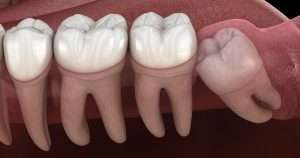
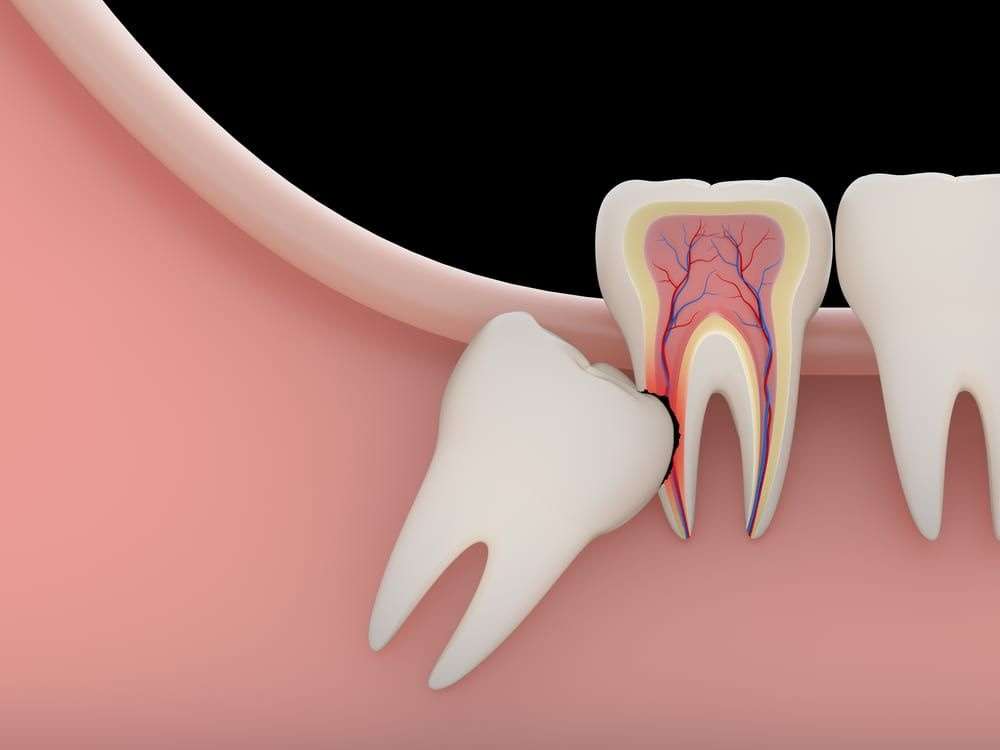
When a tooth is unable to fully erupt through the gum tissue due to a lack of space or obstruction by bone or another tooth, it is considered “impacted.” Impaction is the primary reason for wisdom tooth removal. There are varying degrees of impaction, ranging from soft tissue impaction, where the crown has penetrated the bone but is covered by gum, to full bony impaction, where the tooth remains entirely encased in the jawbone. Impacted wisdom teeth rarely resolve on their own. Instead, they often grow at angles—horizontally, toward the second molar, or even backward toward the jaw joint. This abnormal positioning can wreak havoc on the alignment of the rest of the bite. If left untreated, impacted teeth can cause structural damage to the jaw and surrounding healthy teeth. Diagnostic imaging is required to visualize the exact orientation of these teeth.
Pericoronitis: Inflammation and Infection
When a wisdom tooth partially breaks through the gum tissue, it creates a flap of skin known as an operculum. This area becomes a trap for food particles, plaque, and bacteria, as it is notoriously difficult to clean with a standard toothbrush or floss. The accumulation of bacteria under the gum flap leads to a localized infection called pericoronitis. Symptoms of pericoronitis include:
- Swollen, red, and tender gum tissue around the erupting tooth.
- A bad taste in the mouth or persistent bad breath (halitosis).
- Discharge of pus from the gum line near the tooth.
- Swelling of the lymph nodes in the neck.
- Difficulty swallowing or opening the mouth.
This condition is painful and can lead to more systemic infections if the bacteria spread. Antibiotics may provide temporary relief, but the definitive treatment for recurrent pericoronitis involves the removal of the offending wisdom tooth to eliminate the bacterial trap permanently.
Damage to Adjacent Teeth
The third molars develop behind the second molars. If there is insufficient room in the dental arch, the erupting wisdom tooth may grow forward, pressing directly into the roots of the adjacent healthy tooth. This pressure can cause resorption, a process where the root structure of the second molar is dissolved or damaged by the force of the wisdom tooth. Furthermore, this pressure contributes to dental crowding. Patients who have previously undergone orthodontic treatment to straighten their teeth may notice their teeth beginning to shift or overlap as the wisdom teeth exert force on the dental arch. To preserve the alignment of the smile and protect the structural integrity of the second molars, oral surgeons often recommend preventive removal before significant damage occurs.
Pathological Changes: Cysts and Tumors
A more serious, albeit less common, sign that wisdom teeth need to be removed involves the development of pathology within the jawbone. Wisdom teeth develop inside a sac within the jawbone. Occasionally, this sac can fill with fluid, forming a cyst. As the cyst expands, it can hollow out the jawbone, damaging the adjacent nerves and teeth. In rare instances, benign tumors may form associated with the impacted tooth. Treatment for these pathological conditions requires not only the extraction of the tooth but also the removal of the cyst or tumor and potentially reconstructive bone grafting to restore the integrity of the jaw. Regular screenings using advanced 3D imaging allow surgeons to detect these issues early, preventing extensive damage to the jawbone.
Sinus Issues and Nasal Congestion
The roots of the upper wisdom teeth are located in close proximity to the maxillary sinuses, which are the air-filled spaces behind the cheekbones. When upper wisdom teeth grow and their roots develop, they can push against or even penetrate the sinus floor. This anatomical relationship can lead to sinus pressure, pain, and congestion. Patients often do not associate chronic sinus issues with dental problems, yet the link is significant. If a patient experiences unexplained sinus pain that correlates with dental discomfort in the upper back jaw, an evaluation by a specialist is warranted. Removing the wisdom teeth can often alleviate this pressure, although care must be taken to manage the relationship between the oral cavity and the sinus during surgery.
The Diagnostic Process
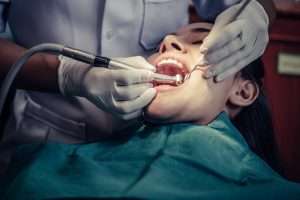
Determining whether wisdom teeth need to be removed requires a comprehensive examination. A simple visual inspection is often insufficient because much of the activity occurs below the gum line and inside the bone. During a consultation appointment, the surgical team will utilize panoramic X-rays or Cone Beam CT scans. These high-definition images provide a detailed view of the tooth’s position, root development, and proximity to vital structures such as the inferior alveolar nerve and the sinus cavity. Based on these images, the oral surgeon can predict the likelihood of future complications. Even if a patient is currently asymptomatic, the angle of the tooth or the lack of space may indicate that problems are inevitable. In such cases, proactive removal is often suggested to take advantage of the body’s faster healing capabilities during young adulthood.
Comfort and Sedation During Treatment
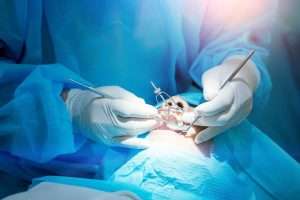
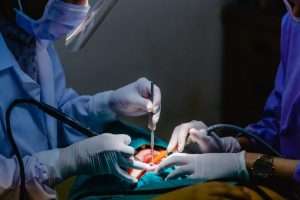
Once the decision is made to remove the wisdom teeth, patient comfort becomes the priority. Modern oral surgery utilizes various anesthesia options to ensure the procedure is anxiety-free and painless. Most wisdom tooth extractions are performed under IV sedation or general anesthesia. This allows the patient to sleep through the procedure and wake up once it is completed. Specialists in oral and maxillofacial surgery are extensively trained in anesthesia administration and monitoring, ensuring the highest safety standards. Following the surgery, patients are provided with detailed post-operative instructions to manage swelling and ensure a smooth recovery.
Summary of Surgical Expertise
The decision to remove wisdom teeth is a significant one, impacting oral health and overall well-being. Recognizing signs such as pain, swelling, infection, or crowding allows patients to act swiftly. Relying on board-certified surgeons ensures that the diagnosis is accurate and the treatment plan is tailored to the individual’s specific anatomical needs. Oral Surgery Associates delivers expert oral and maxillofacial surgical care in Grand Rapids and Grandville, specializing in dental implants, wisdom teeth removal, and jaw surgery. With a legacy of excellence, our board-certified surgeons combine advanced technology with a patient-first approach to ensure comfort, safety, and outstanding results. Trusted by families and referring dentists alike, we make your treatment experience seamless, compassionate, and backed by decades of surgical precision. Follow Oral Surgery Associates of Grand Rapids on social media for more updates and information: Google Profile and Google Maps.