
As the winter frost recedes and fields across Michigan thaw, thousands of young athletes prepare for the spring sports season. From baseball and softball to lacrosse and soccer, the return to outdoor athletics brings excitement and competition. However, amidst the conditioning drills and equipment checks, one critical aspect of athletic preparedness is often overlooked: oral and maxillofacial health. Protecting the dentition and facial structure is as vital as protecting the head or joints. A comprehensive approach to sports safety involves understanding the risks of facial trauma, the necessity of proper protective gear, and the role of proactive surgical intervention.
While coaches focus on agility and strategy, healthcare providers focus on the physiological integrity of the athlete. Oral and maxillofacial surgeons play a pivotal role in both the prevention and treatment of sports-related injuries. By addressing potential vulnerabilities such as impacted wisdom teeth and educating families on emergency protocols for dental trauma, the risk of season-ending injuries can be significantly mitigated.
The Physiology of Facial Trauma in Athletics
High-contact and medium-contact sports present inherent risks to the craniofacial complex. The force of a wayward baseball, a collision on the soccer field, or a lacrosse stick impact can result in severe dentoalveolar trauma. This category of injury affects the teeth, the alveolar bone (the bone that holds the teeth), and the surrounding soft tissues. Oral surgeons frequently treat facial lacerations, fractured jaws, and avulsed (knocked-out) teeth resulting from athletic endeavors.
Understanding the anatomy of the jaw is essential for prevention. The mandible (lower jaw) is a prominent bone that absorbs significant force during impact. Fractures can occur at the symphysis (chin), the condyles (near the ear), or the angle of the jaw. Managing these injuries requires specialized care found at facial trauma centers or oral surgery practices. Immediate stabilization and reconstruction are often required to restore function and aesthetics, ensuring the young athlete can return to normal life, if not immediately to the field.
Addressing Structural Vulnerabilities: The Wisdom Teeth Factor
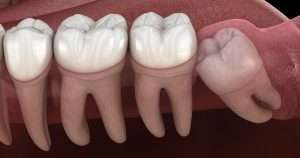
One of the less obvious but clinically significant risks for teen athletes involves the third molars, commonly known as wisdom teeth. Between the ages of 15 and 25, these teeth are often developing or attempting to erupt. When wisdom teeth become impacted—meaning they are blocked from entering the mouth fully by bone or soft tissue—they can create a structural weakness in the jaw.
Impacted teeth located at the angle of the mandible occupy space that would otherwise be filled with dense bone. This displacement reduces the cross-sectional area of the bone, making the jaw more susceptible to fractures upon impact. A blow to the jaw that might otherwise result in a bruise could cause a significant fracture in an athlete with impacted lower third molars. For this reason, many oral surgeons recommend a prophylactic evaluation.
Furthermore, impacted wisdom teeth are prone to pericoronitis, an infection of the gum tissue surrounding the partially erupted tooth. This condition causes severe pain, swelling, and systemic infection, which can unexpectedly sideline an athlete during crucial tournaments. Proactive wisdom teeth removal during the off-season or early spring training is a strategic move to prevent both traumatic fractures and infectious emergencies.
The Critical Role of Custom Mouthguards
Prevention is the first line of defense in sports medicine. While stock mouthguards available at sporting goods stores offer some level of protection, they are often bulky, ill-fitting, and impede proper breathing and communication. Consequently, athletes are less likely to wear them consistently. From a clinical perspective, a custom-fitted mouthguard provided by dental professionals offers superior protection against oral injury.
A properly fitted mouthguard does more than shield the enamel from chipping. It acts as a shock absorber, distributing the force of a blow over the entire dental arch rather than concentrating it on a single tooth. This distribution of force significantly reduces the risk of tooth avulsion and fractures of the alveolar bone. Additionally, by cushioning the impact between the upper and lower jaws, a mouthguard can reduce the likelihood of soft tissue lacerations to the lips and cheeks, which are common when soft tissue is pressed against braces or sharp teeth during a collision.
Emergency Protocols for Dentoalveolar Injuries
Despite the best preventive measures, accidents occur. Knowing how to respond to a dental emergency on the field can mean the difference between saving a natural tooth and requiring complex restorative surgery later. The most time-sensitive injury is the avulsion of a permanent tooth. Clinical outcomes for reimplantation depend heavily on the speed of action and the storage medium of the tooth.
If a tooth is knocked out, it should be handled only by the crown (the white chewing surface), never by the root. The periodontal ligament cells on the root surface are delicate and vital for reattachment. If the tooth is dirty, it should be rinsed gently with milk or saline—not scrubbed. The ideal course of action is to reinsert the tooth into the socket immediately. If this is not possible, the tooth must be kept moist, preferably in milk or a specialized tooth preservation solution, while the patient is transported to an oral surgeon.
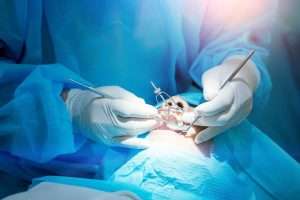
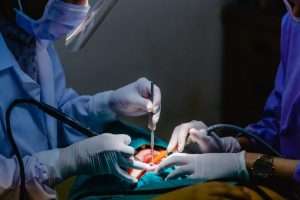
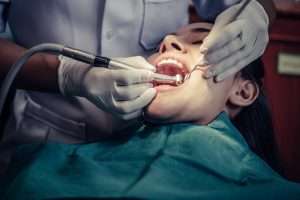
In cases where the tooth cannot be saved, or if the bone is severely damaged, tooth extractions may be necessary to remove fragments and prepare the site for future restoration. Procedures such as socket preservation are utilized to maintain bone volume, ensuring that the patient remains a candidate for dental implants in the future.
Advanced Diagnostics and Pre-Season Screening
Modern oral surgery relies heavily on advanced diagnostic technology to identify potential issues before they become symptomatic. Before the season begins, families are encouraged to schedule a consultation that includes 3D imaging. Unlike traditional two-dimensional X-rays, Cone Beam CT scanners provide a comprehensive view of the facial skeleton, nerve pathways, and dentition.
These images allow surgeons to assess the position of wisdom teeth relative to the jawbone borders, identify cysts or tumors that may weaken the bone, and evaluate the overall health of the roots of the teeth. This level of detail is crucial for developing a personalized treatment plan that aligns with the athlete’s schedule and health requirements. For parents, understanding the hidden landscape of their child’s oral health provides peace of mind as the competitive season intensifies.
Restoring the Smile: Options After Tooth Loss
When sports injuries result in the permanent loss of a tooth, the psychological and functional impact on a young athlete can be significant. Fortunately, advancements in restorative surgery provide excellent solutions. The gold standard for replacing missing teeth is the dental implant. An implant functions as an artificial tooth root, typically made of titanium, which integrates with the jawbone to support a crown.
For young athletes whose jaws are still developing, the timing of implant placement is critical. An oral surgeon will monitor the patient’s growth to determine the optimal time for surgery. In the interim, temporary solutions can be utilized to maintain aesthetics. Once skeletal maturity is reached, dental implants offer a durable, long-term solution that looks, feels, and functions like a natural tooth, allowing the athlete to smile with confidence once again.
In cases where bone loss has occurred due to trauma, procedures such as bone grafting or ridge augmentation may be required to build up the necessary foundation for an implant. This reconstructive work highlights the importance of choosing a specialist with deep expertise in bone biology and surgical reconstruction.
The Importance of Professional Partnership
Navigating the healthcare needs of a young athlete requires a team approach. Just as an orthopedist manages joint health, an oral and maxillofacial surgeon manages the complex structures of the face and mouth. Establishing a relationship with a practice before an emergency arises is a prudent strategy. Whether for a routine wisdom tooth evaluation or urgent care following a field injury, having a trusted specialist ensures continuity of care.
Parents in West Michigan can access top-tier surgical care through Grand Rapids oral surgeons and their colleagues in surrounding areas. From the initial first visit to post-operative recovery, a professional surgical team guides the patient through every step, utilizing anesthesia protocols that prioritize safety and comfort.
Securing Oral Health for the Season Ahead
Spring training is about building strength, endurance, and skill. It should also be about ensuring the structural integrity of the smile. By addressing impacted wisdom teeth, utilizing proper protective gear, and understanding emergency protocols, families can reduce the risks associated with youth sports. Oral health is a critical component of overall athletic performance and long-term well-being.
Oral Surgery Associates of Grand Rapids delivers expert oral and maxillofacial surgical care in Grand Rapids and Grandville, specializing in dental implants, wisdom teeth removal, and jaw surgery. With a legacy of excellence, our board-certified surgeons combine advanced technology with a patient-first approach to ensure comfort, safety, and outstanding results. Trusted by families and referring dentists alike, the practice makes the treatment experience seamless, compassionate, and backed by decades of surgical precision.
For more information or to schedule a consultation, please visit Oral Surgery Associates of Grand Rapids. To stay connected and view updates, visit us on Google at our Grand Rapids location or our Grandville location.