Summer brings a distinct shift in social activities, with outdoor gatherings, weddings, and backyard barbecues taking center stage. For many, these events are a source of joy, but for individuals suffering from tooth loss or ill-fitting dentures, they can be a source of significant anxiety. The inability to chew properly often restricts dietary choices, turning a simple meal of corn on the cob or grilled steak into a challenge. However, modern oral surgery offers a solution that restores both function and confidence. Dental implants represent the gold standard in tooth replacement, offering a permanent foundation that allows patients to enjoy the full culinary spectrum of the summer season.
The Functional Impact of Tooth Loss on Diet
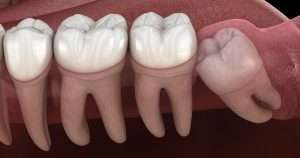
When teeth are lost, the alveolar bone—the portion of the jawbone that anchors the teeth—begins to resorb or atrophy due to a lack of stimulation. This jaw bone loss and deterioration can alter facial structure and significantly reduce bite force. Traditional dentures, while providing an aesthetic improvement, often restore only a fraction of the natural biting power. This limitation is particularly noticeable during summer barbecues where foods often have fibrous or tough textures.
Foods such as ribs, steak, raw vegetables, and corn on the cob require a grinding and tearing motion that relies on stable tooth anchorage. Without this stability, individuals are forced to cut food into tiny pieces or avoid certain dishes entirely. By replacing missing teeth with dental implants, patients can halt bone loss and regain a bite force comparable to natural dentition.
The Science of Osseointegration
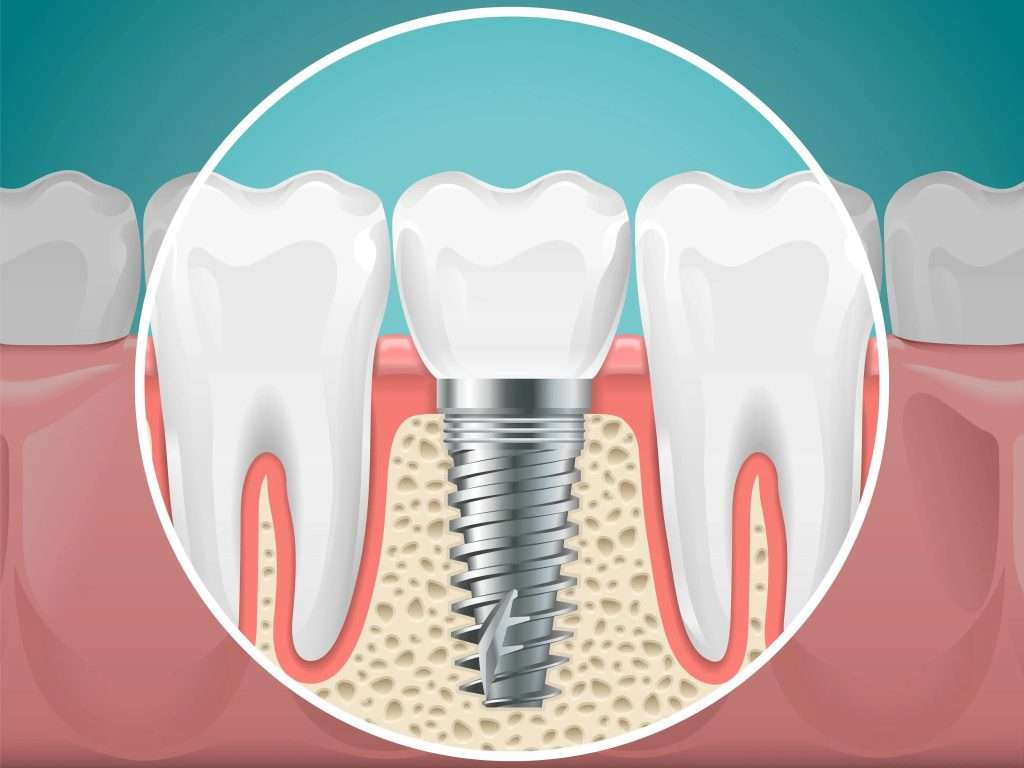
The success of dental implants lies in a biological process known as osseointegration. Unlike surface-resting prosthetics, a dental implant involves the surgical placement of a biocompatible titanium post directly into the jawbone. Over a period of several months, the bone grows around and fuses with the implant surface, creating a rigid anchor.
For patients considering this transition, understanding the overview of implant placement is essential. The process transforms the jawbone into a load-bearing structure capable of withstanding the forces generated during chewing. This stability is what ultimately allows a patient to bite into an apple or enjoy grilled meats without fear of the prosthetic slipping or causing pain.
Planning the Procedure: From Consultation to Recovery
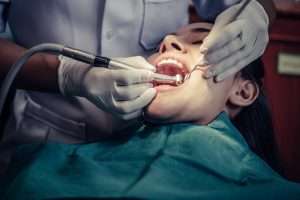
Transitioning to dental implants is a calculated process that begins with comprehensive diagnostics. To ensure precision, oral surgeons utilize 3D imaging technology to assess bone density and map out critical anatomical structures such as nerves and sinuses. This detailed planning phase determines if the patient is immediately ready for implant placement or if preparatory procedures are required.
Addressing Bone Volume
In cases where tooth loss has occurred years prior, the jawbone may have receded. To build a sufficient foundation for the implant, procedures such as bone grafting or a sinus lift may be necessary. These techniques regenerate bone in the target area, ensuring the implant has adequate support for long-term survival. While this may extend the treatment timeline, it is a critical step for ensuring the durability of the final restoration.
The Surgical Experience
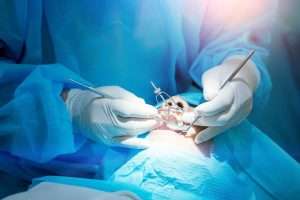
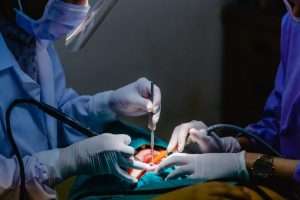
Patient comfort during the placement procedure is paramount. Advanced anxiety management techniques, including conscious sedation, allow the surgery to be performed efficiently while the patient remains in a state of relaxation. During the procedure, the surgeon places the implant post into the bone. In some clinical situations, a temporary tooth can be placed the same day, though frequently, the site is allowed to heal before the final crown is attached.
Navigating the Summer Season During Healing
It is important for patients to manage expectations regarding the timeline. If implant surgery occurs during the summer months, the immediate post-operative period will require dietary modifications. The focus during the first few weeks is to protect the surgical site and allow initial healing to occur without mechanical disruption.
Immediately following the procedure, adherence to after dental implant surgery instructions is vital. Patients are generally restricted to a soft-food diet. While this means skipping the steak temporarily, there are still plenty of summer-friendly options available, such as smoothies, chilled soups, mashed potatoes, and flakey fish. Avoiding hard, crunchy, or hot foods prevents trauma to the incision site and reduces the risk of complications.
The Path to Full Functionality
Once the period of osseointegration is complete—typically spanning three to six months—the final restoration is placed. This restorative phase marks the return to full dietary freedom. The implant, now fused with the bone, supports the custom-made crown, bridge, or denture. At this stage, the patient can confidently return to social dining.
For individuals missing all upper or lower teeth, solutions such as implant-supported overdentures or full-arch restorations provide a dramatic improvement over conventional dentures. These full-arch solutions eliminate the need for messy adhesives and cover less of the palate, which enhances the sense of taste and texture—a crucial component of enjoying a meal.
Why Board Certification Matters in Implant Success
The placement of dental implants is a sophisticated surgical procedure that requires extensive training and an understanding of complex oral biology. Choosing a surgeon who has achieved board certification ensures that the practitioner has demonstrated the highest standards of knowledge and surgical skill. Board-certified surgeons are equipped to handle complex cases, manage potential complications, and achieve esthetically and functionally superior results.
Furthermore, an experienced surgical team will coordinate closely with the patient’s restorative dentist. This collaborative approach ensures that the surgical placement aligns perfectly with the design of the final prosthetic teeth, resulting in a seamless bite and a natural appearance.
Long-Term Maintenance for Lifelong Results
While dental implants are not susceptible to tooth decay, the health of the surrounding gum and bone tissue remains vital. Peri-implantitis, an inflammatory condition affecting the tissues around the implant, can compromise the stability of the restoration if oral hygiene is neglected. Patients are advised to maintain a rigorous hygiene routine, including brushing, flossing, and regular professional cleanings.
By treating dental implants with the same care as natural teeth, patients can expect them to last a lifetime. This longevity makes the cost of dental implants a worthwhile investment in one’s quality of life. The ability to attend a barbecue, eat corn on the cob, laugh without covering one’s mouth, and speak clearly is invaluable.
Looking Ahead
While the journey to permanent teeth involves a healing period, the destination offers a return to normalcy that traditional dentures cannot match. Starting the process during the summer allows for healing to progress, setting the stage for a fully restored smile in the subsequent seasons. Whether replacing a single missing tooth or undergoing a full-mouth rehabilitation, the advancements in oral surgery make it possible to reclaim the simple pleasures of eating and socializing.
Oral Surgery Associates delivers expert oral and maxillofacial surgical care in Grand Rapids and Grandville, specializing in dental implants, wisdom teeth removal, and jaw surgery. With a legacy of excellence, our board-certified surgeons combine advanced technology with a patient-first approach to ensure comfort, safety, and outstanding results. Trusted by families and referring dentists alike, we make your treatment experience seamless, compassionate, and backed by decades of surgical precision.
For more information or to follow our practice updates, please visit our social media channels: Google Business Profile – Grand Rapids and Google Business Profile – Grandville. To schedule a consultation at our Grand Rapids or Grandville locations, please contact our office today.