
Tooth loss is a complex oral health issue that extends beyond aesthetics. Whether caused by trauma, decay, or periodontal disease, the absence of natural teeth affects a patient’s ability to speak, chew, and maintain proper nutrition. Furthermore, missing teeth can lead to psychological distress and a loss of self-confidence. When facing the need for restoration, patients are typically presented with two primary options: traditional dentures and dental implants. While both methods serve the purpose of replacing missing teeth, they differ significantly in their mechanics, longevity, and physiological impact on the jaw.
Understanding the clinical differences between these two restorative paths is essential for making an informed decision. The choice between implants and dentures involves evaluating bone health, lifestyle requirements, and long-term oral stability. This article provides a comprehensive comparison to assist patients in Grand Rapids and Grandville in navigating their restorative options.
The Physiology of Tooth Loss and Bone Preservation
To understand the distinction between implants and dentures, one must first understand the relationship between tooth roots and the jawbone. The alveolar bone, which surrounds and supports the teeth, requires constant stimulation to maintain its density and volume. This stimulation is naturally provided by the forces of chewing transmitted through the tooth roots.
When a tooth is lost, this stimulation ceases. Without it, the body begins to resorb the bone, leading to a reduction in jaw height and width. This process, known as jaw bone loss and deterioration, can eventually alter facial contours, causing a premature aging appearance. This physiological factor is a critical differentiator when comparing restorative options, as the method of restoration will determine whether bone loss is arrested or allowed to continue.
An Overview of Traditional Dentures
Traditional dentures have been the standard for tooth replacement for generations. They are removable prosthetic devices designed to replace missing teeth and surrounding tissue. Complete dentures are used when all teeth are missing, while partial dentures are utilized when some natural teeth remain.
The Mechanics of Dentures
Dentures rest on top of the gum tissue and rely on suction (for the upper arch) or mechanical retention (clasps on partials) to stay in place. Modern dentures are fabricated from advanced acrylics that closely mimic the appearance of natural gums and teeth, offering a significant aesthetic improvement over older iterations.
Limitations of Removable Prosthetics
While dentures provide an immediate cosmetic solution and restore some functional ability, they have inherent limitations. Because they sit on top of the gums, they do not stimulate the underlying bone. Consequently, bone resorption continues over time. As the jawbone shrinks, the fit of the denture changes, often leading to slipping, clicking sounds during speech, and the need for frequent relining or adhesive pastes.
Furthermore, the chewing efficiency of dentures is significantly lower than that of natural teeth. Patients may find it necessary to alter their diet, avoiding tough or sticky foods, which can impact nutritional intake. For those missing all upper or lower teeth, the instability of a lower denture is a common complaint due to the movement of the tongue and lack of suction.
A Deep Dive into Dental Implants
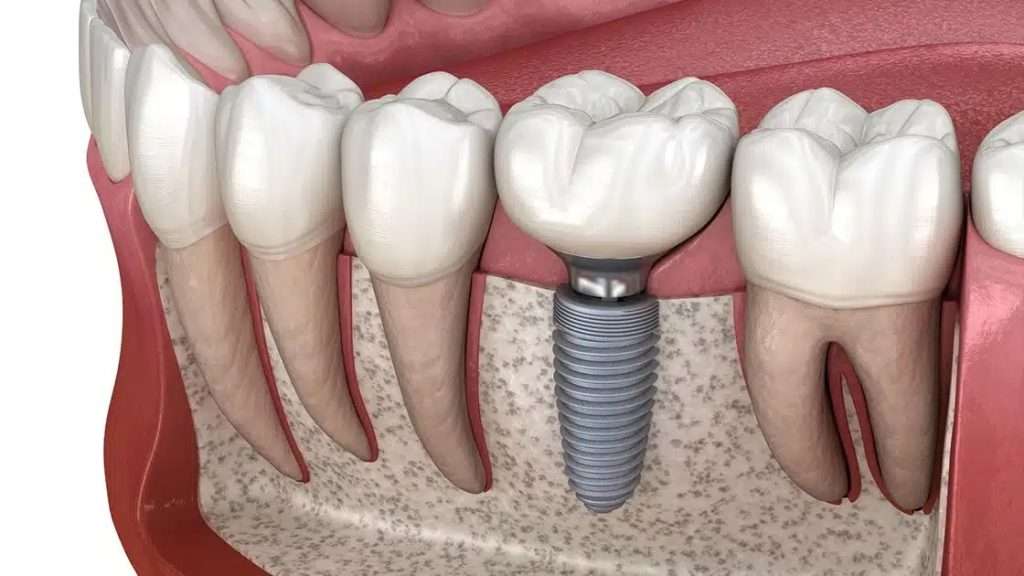
Dental implants represent a paradigm shift in oral rehabilitation. Rather than merely replacing the visible crown of the tooth, an implant replaces the root. The procedure involves the surgical placement of a biocompatible titanium post into the jawbone. Over a healing period, a process called osseointegration occurs, where the bone grows tightly around the post, locking it into place.
The Benefits of Osseointegration
Because dental implants are anchored within the bone, they mimic the function of a natural tooth root. This stimulation helps preserve bone density and prevents the facial collapse associated with long-term tooth loss. The stability provided by implants allows for a bite force comparable to natural teeth, enabling patients to eat a varied diet without restriction.
Longevity and Stability
Unlike dentures, which may need replacement every 5 to 10 years due to wear and changing jaw shape, dental implants are designed to be a long-term, often permanent, solution. Once the implant is integrated and the final crown is placed, it does not slip or shift. This stability offers patients significant peace of mind in social situations.
Hybrid Solutions: Implant-Supported Overdentures
For patients who require full-arch restoration but desire greater stability than traditional dentures offer, an implant-supported overdenture serves as an effective middle ground. In this scenario, a denture is fabricated to snap onto a series of dental implants (usually two to four). This eliminates the need for adhesives and prevents the denture from floating or slipping, while still being removable for cleaning. This option significantly improves chewing efficiency and quality of life compared to conventional dentures, while typically being more cost-effective than a full arch of fixed ceramic teeth.
Surgical Considerations and Technology
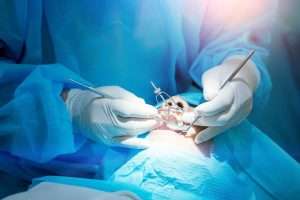
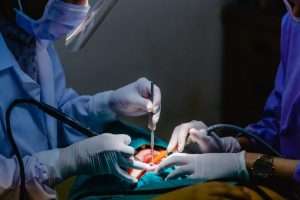
The placement of dental implants is a surgical procedure that requires precision and planning. Board-certified oral surgeons utilize 3D imaging technology to assess the patient’s anatomy, nerve pathways, and bone density before surgery. This technology ensures the implant is placed in the optimal position for long-term success.
Bone Availability and Grafting
A common concern for patients considering implants is whether they have sufficient bone. If a patient has worn dentures for many years, bone atrophy may have occurred. However, this does not necessarily disqualify a patient from receiving implants. Procedures such as bone grafting for implants or sinus lifts can rebuild the necessary bone structure. In some cases, socket preservation is performed at the time of tooth extraction to prevent bone loss before it starts, preparing the site for a future implant.
Ensuring Patient Comfort
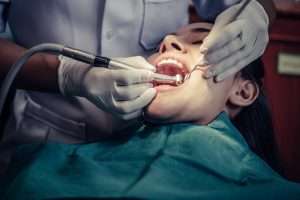
Oral surgery centers prioritize patient comfort during these procedures. Options for conscious sedation allow patients to undergo implant placement or pre-prosthetic surgeries in a relaxed, anxiety-free state. Post-operative care is also streamlined, with detailed instructions provided on after implant placement care to ensure rapid healing.
Comparing Cost and Value
When evaluating the cost of dental implants versus dentures, it is important to look beyond the initial financial outlay. Traditional dentures generally have a lower upfront cost. However, the ongoing costs of adhesives, cleaning solutions, relining, and eventual replacement can add up over time. Additionally, the “cost” to one’s bone health and chewing ability is a non-monetary factor that carries significant weight.
Dental implants involve a higher initial investment but offer superior long-term value. They are often a one-time treatment for the surgical phase. When maintained with proper oral hygiene and regular check-ups, implants can last a lifetime. Many patients view the restoration of full function and the preservation of facial aesthetics as a worthwhile investment in their overall health.
Pre-Prosthetic Surgery for Denture Wearers
For patients who ultimately choose traditional dentures or are transitioning to an implant-supported prosthesis, preparation of the mouth is sometimes necessary to ensure a comfortable fit. Pre-prosthetic surgery may involve smoothing the jawbone, removing excess gum tissue, or extracting remaining compromised teeth. This ensures that the denture sits firmly on the ridge without causing sore spots or irritation.
Making the Right Decision
There is no single solution that applies to every patient. The “right” choice depends on a multitude of factors including medical history, the condition of the remaining bone, aesthetic goals, and financial considerations. Patients are encouraged to consult with the experts at Oral Surgery Associates of Grand Rapids or the Grandville office to undergo a thorough examination.
During a consultation, the surgeon will review the patient’s specific anatomy and discuss the pros and cons of each option. Whether a patient requires a single tooth replacement, a bridge, or a full-mouth rehabilitation, understanding the reasons to choose a specialized practice ensures that the treatment plan is tailored to deliver safety and optimal results. It is also an opportunity to discuss logistics, such as scheduling and recovery expectations.
Pathways to Restoration
Restoring a smile is a journey that restores more than just teeth; it restores the ability to laugh, eat, and speak with confidence. While dentures offer a valid and time-tested solution for tooth replacement, dental implants provide a functional and physiological advantage by integrating with the body and preserving bone health. Advancements in surgical techniques and anesthesia have made implant therapy more accessible and comfortable than ever before.
Oral Surgery Associates delivers expert oral and maxillofacial surgical care in Grand Rapids and Grandville, specializing in dental implants, wisdom teeth removal, and jaw surgery. With a legacy of excellence, our board-certified surgeons combine advanced technology with a patient-first approach to ensure comfort, safety, and outstanding results. Trusted by families and referring dentists alike, we make your treatment experience seamless, compassionate, and backed by decades of surgical precision. For more information or to schedule a consultation, visit our social channels at Google Maps Grand Rapids and Google Maps Grandville.