Spring is traditionally associated with renewal and deep cleaning, a time when many individuals reorganize their homes and attend to maintenance tasks that have been deferred during the winter months. In the healthcare sector, this season often correlates with patients returning to their general dentist for routine prophylaxis and examinations. While the primary goal of these visits is to remove plaque and tartar, the diagnostic component of a dental checkup is equally critical. It is during these comprehensive evaluations that general dentists often identify underlying pathologies requiring the expertise of an oral surgeon.
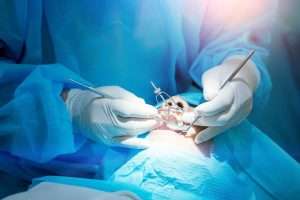
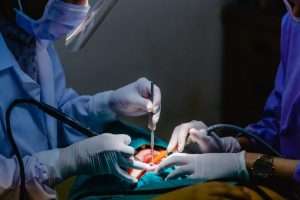
When a general dentist identifies complex issues such as impacted teeth, bone deficiencies, or suspicious lesions, a referral to an oral and maxillofacial surgeon becomes the necessary next step. Understanding why a routine “spring cleaning” might lead to a surgical consultation helps patients approach their treatment plans with confidence and clarity. Oral Surgery Associates of Grand Rapids works closely with referring dentists to ensure that conditions identified during these checkups are managed with precision and care.
The Diagnostic Depth of a Routine Dental Visit
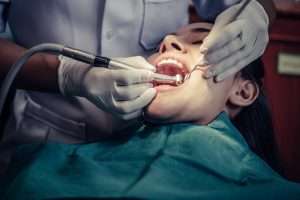
A standard dental appointment involves much more than polishing enamel. It serves as a frontline defense against oral health deterioration. Through clinical visual exams and radiographic imaging (X-rays), general dentists assess the health of the teeth, gums, and jawbone. Often, patients are asymptomatic, meaning they feel no pain or discomfort, yet imaging may reveal structural problems beneath the surface.
When the scope of the required treatment exceeds the realm of general dentistry, a referral is made. This transition from a general practice to a surgical specialist ensures that the patient receives advanced care for complex anatomical issues. Whether the concern involves facial trauma remnants, cysts, or developmental abnormalities, early detection during a cleaning can prevent more severe complications down the road.
Wisdom Teeth: The Silent Threat
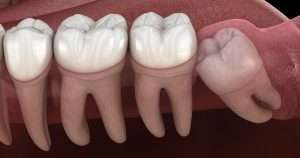
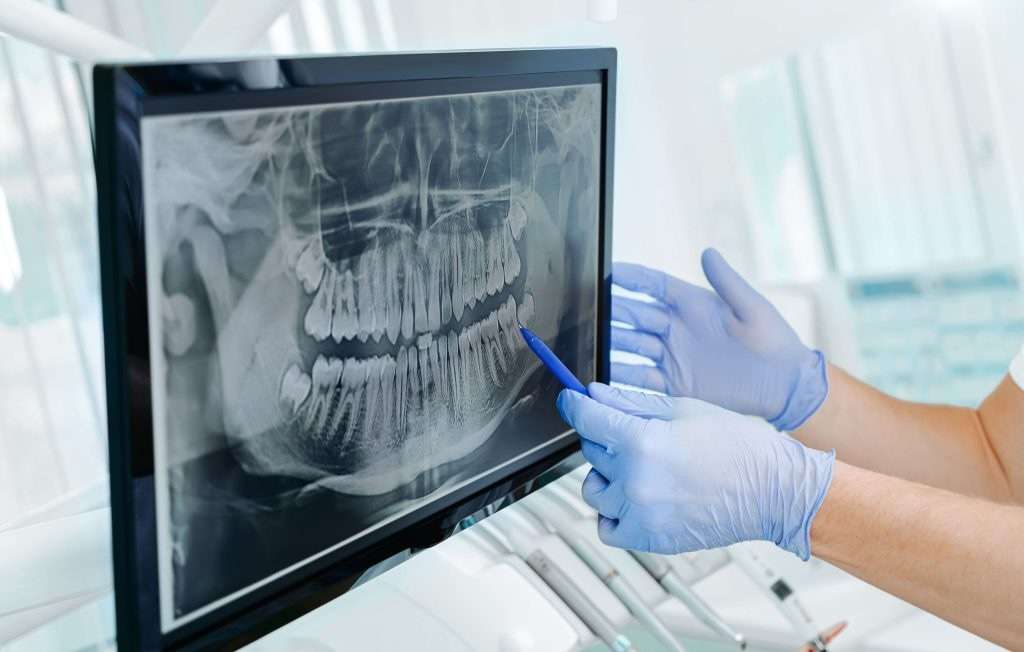
One of the most common findings during a young adult’s dental checkup is the unfavorable positioning of third molars, commonly known as wisdom teeth. It is not unusual for a patient to attend a cleaning feeling perfectly fine, only to discover via a panoramic X-ray that their wisdom teeth are impacted. Impacted teeth are trapped beneath the gum line or bone, unable to erupt properly due to a lack of space in the dental arch.
Leaving impacted wisdom teeth untreated can lead to damage to adjacent healthy teeth, the formation of cysts, and increased risk of infection (pericoronitis). While the general dentist identifies the issue, the surgical removal is typically performed by an oral surgeon. Specialists possess the training to navigate the nerves and sinus cavities located near these roots, minimizing risk and ensuring a smoother recovery. Patients usually undergo a consultation to discuss wisdom teeth removal options, including the use of sedation for comfort.
When a Tooth Cannot Be Saved
Despite the best efforts of restorative dentistry, there are instances where a tooth is deemed non-restorable during a checkup. This may be due to deep decay reaching the bone, a vertical root fracture, or severe periodontal disease that has destroyed the supporting bone structure. In these scenarios, the focus shifts from preservation to extraction and replacement.
The procedure for tooth extractions requires careful manipulation of the hard and soft tissues to preserve as much surrounding bone as possible. This is particularly important if the patient intends to replace the tooth with a dental implant. A simple extraction at a general dentist’s office may suffice for some, but complex cases—or patients with significant medical histories—are best managed by oral surgeons who can monitor vital signs and manage potential complications effectively.
Addressing Bone Health and Periodontal Disease
A “spring cleaning” is effectively a screening for periodontal (gum) disease. When plaque and calculus accumulate below the gum line, they cause inflammation that can erode the jawbone. If a general dentist notes significant jaw bone loss or deterioration, surgical intervention may be required to halt the progression or to rebuild the foundation for future restorations.
Oral surgeons utilize various bone grafting techniques to restore lost volume. Procedures such as socket preservation are often performed at the time of extraction to maintain the ridge’s integrity. For patients in the upper jaw where bone height is limited, a sinus lift may be indicated. These procedures are critical for patients considering dental implants, as implants require a robust bony foundation for long-term stability.
The Transition to Dental Implants
If a checkup reveals that teeth are missing or must be extracted, the discussion naturally turns to replacement options. Dental implants are widely considered the gold standard for replacing missing teeth because they mimic the function and appearance of natural teeth while stimulating the jawbone.
The process involves placing a titanium post into the jawbone, which serves as an artificial root. This requires surgical precision to avoid critical structures like the inferior alveolar nerve. General dentists refer these cases to oral surgeons to ensure the implant placement is anatomically correct and viable for the long term. For patients missing an entire arch of teeth, advanced solutions such as full-arch restoration or implant-supported overdentures offer a dramatic improvement in quality of life compared to traditional dentures.
Oral Pathology Screenings
An integral part of any dental examination is the soft tissue exam. Dentists look for changes in the mucosa, including red or white patches, non-healing sores, or lumps. While most abnormalities are benign, some may require biopsy to rule out oral cancer or other diseases. Oral pathology is a specialized field, and when a suspicious lesion is found, a referral to a surgeon is immediate.
Surgeons perform biopsies to obtain a tissue sample for microscopic analysis. Early detection and diagnosis are paramount in the successful treatment of oral pathological conditions. This aspect of the “spring cleaning” highlights that dental visits are about systemic health surveillance, not just cavity prevention.
Advanced Technology and Surgical Precision
Upon referral to a surgical practice, patients benefit from diagnostic technologies that go beyond standard dental X-rays. 3D imaging (Cone Beam CT scans) allows surgeons to view the craniofacial anatomy in three dimensions. This technology is indispensable for planning complex procedures, such as avoiding nerves during wisdom teeth removal or determining the exact volume of bone available for implants.
Furthermore, the surgical environment is designed to accommodate higher levels of anxiety control. While general dentists typically offer local anesthesia or nitrous oxide, oral and maxillofacial surgeons are trained and certified in administering IV sedation and general anesthesia. This ensures that even extensive procedures can be performed while the patient is completely relaxed or asleep, removing the stress associated with surgery.
Navigating the Referral Process
Receiving a referral slip from a general dentist can sometimes cause patient anxiety regarding logistics and continuity of care. However, the process is designed to be seamless. The dentist transmits relevant records and radiographs to the surgical office, allowing the surgeons to review the case prior to the first visit.
Patients in the West Michigan area have access to expert care at convenient locations. Whether visiting the Grand Rapids office or the Grandville office, the focus remains on patient safety and successful outcomes. Understanding financial policies and insurance coverage is also part of the initial consultation, ensuring there are no surprises regarding the cost of treatment.
Taking Action on Your Oral Health
A spring cleaning for your teeth is a vital step in maintaining overall wellness. When that cleaning uncovers a need for surgery, it is an opportunity to address issues that could compromise health in the future. From extracting impacted wisdom teeth to rebuilding bone and placing dental implants, surgical intervention restores function and aesthetics. Patients are encouraged not to delay care once a referral is given, as many oral health conditions are progressive.
Oral Surgery Associates delivers expert oral and maxillofacial surgical care in Grand Rapids and Grandville, specializing in dental implants, wisdom teeth removal, and jaw surgery. With a legacy of excellence, our board-certified surgeons combine advanced technology with a patient-first approach to ensure comfort, safety, and outstanding results. Trusted by families and referring dentists alike, we make your treatment experience seamless, compassionate, and backed by decades of surgical precision. To learn more, please visit our Google business profiles at Grand Rapids and Grandville.