
Why dental implants are a leading choice for tooth replacement
Missing teeth affect more than appearance — they change how you eat, speak, and feel about your smile. Dental implants offer a durable, natural-looking solution that restores function and confidence. Unlike removable dentures, implants mimic the structure of a natural tooth by replacing both the root and crown, preserving jawbone health and providing stable support for chewing and speaking.
How dental implants work
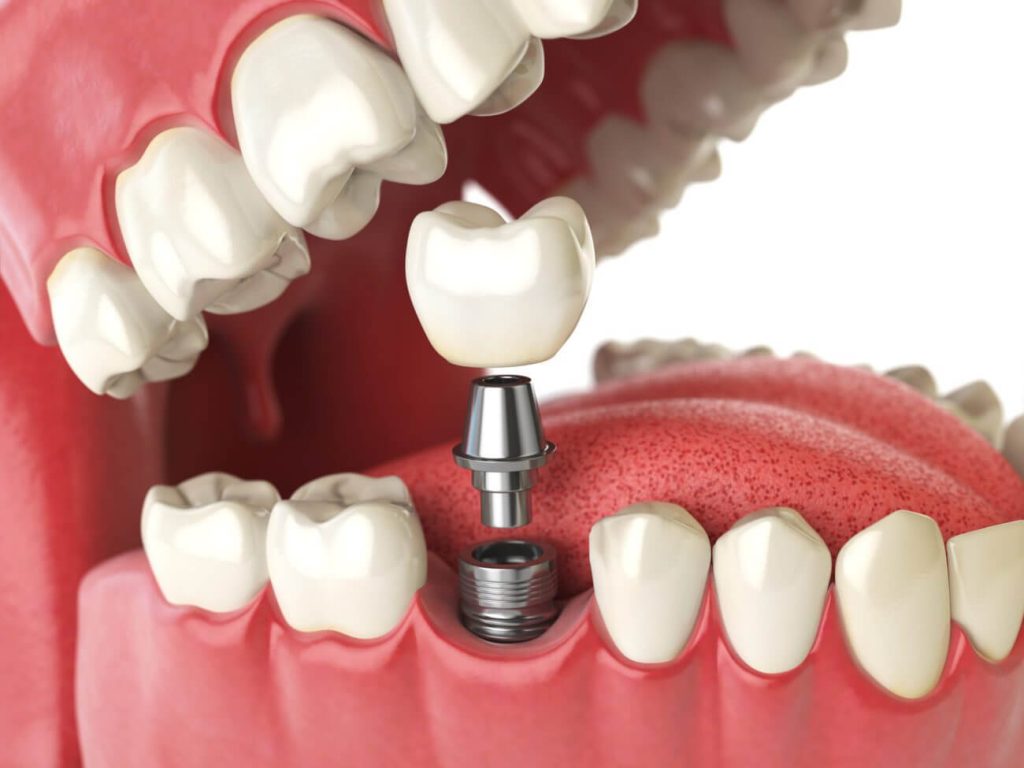
A dental implant typically has three parts: a titanium implant placed into the jawbone, an abutment that connects the implant to the restoration, and a crown, bridge, or denture that replaces the visible tooth. Over a few months, the implant integrates with the bone through a process called osseointegration, creating a secure foundation for the final restoration.
Learn more about the step-by-step care and timeline at our detailed dental implant process page: Dental implant process.
Who is a good candidate?
Most adults with one or more missing teeth are potential candidates for implants. Ideal candidates have:
- Good overall health and controlled chronic conditions
- Healthy gums and adequate jawbone to support an implant
- Commitment to oral hygiene and follow-up care
If bone volume is insufficient, bone grafting or ridge augmentation can often prepare the site for implants. Read more about ridge augmentation and when it’s recommended: Understanding ridge augmentation.
Common implant treatment options
- Single-tooth implants — replace a single missing tooth without affecting adjacent teeth.
- Implant-supported bridges — replace several teeth in a row using fewer implants than individual replacements.
- Implant-retained dentures or overdentures — secure removable prostheses to implants for improved stability and comfort.
- Full-arch restorations and “teeth in a day” approaches — immediate-load protocols can restore function quickly for select patients. For examples and planning considerations, see additional procedural overviews: Teeth-in-a-day overview.
Treatments that support implant success
Successful implant therapy sometimes requires preparatory procedures:
- Bone grafting and socket preservation to rebuild lost bone (socket preservation).
- Sinus lift procedures when the upper jaw lacks vertical bone height — more on sinus health and related procedures: Sinus health.
- Ridge augmentation to correct bony defects before implant placement: Ridge augmentation details.
What to expect during the implant process
The implant journey generally follows these stages:
- Consultation and 3D imaging to evaluate anatomy, plan implant position, and determine if preparatory procedures are needed.
- Placement of the implant into the jawbone under local anesthesia or sedation.
- Healing and osseointegration period (commonly several months), during which temporary restorations may be used.
- Attachment of the abutment and placement of the final crown, bridge, or denture once integration is confirmed.
For a detailed breakdown of each phase and typical timelines, visit: Dental implant process.
Recovery and aftercare
Most patients experience minimal downtime after implant surgery. Common post-op sensations include mild swelling and discomfort that improves over a few days. Your surgeon will provide specific recovery instructions, pain management strategies, and dietary recommendations. While recovery guidance varies by procedure, helpful general post-operative tips can be found in our broader surgical recovery resources, such as wisdom teeth post-op care: Post-op care and recovery and Recovery tips.
Costs and long-term value
Costs vary based on the number of implants, need for bone grafting or sinus augmentation, and the type of final restoration. While implants have a higher upfront cost than traditional dentures, they often offer greater long-term value thanks to durability, improved oral health, and superior function. For a detailed cost-benefit discussion tailored to Grand Rapids patients, see: Costs and benefits of dental implants.
How to care for your implants
Implants require daily care similar to natural teeth:
- Brush twice daily with a soft-bristled brush.
- Use interdental brushes or floss designed for implants to clean around abutments.
- Attend regular dental checkups and professional cleanings.
- Report any signs of discomfort, swelling, or loosening to your surgeon promptly.
Common questions patients ask
Do implants hurt?
Placement is performed under anesthesia or sedation, so you should not feel pain during the procedure. Post-operative discomfort is typically manageable with prescribed or over-the-counter medications and resolves in days.
How long do implants last?
With proper care, dental implants can last decades. The implant fixture is highly durable, while the crown or prosthesis may need replacement or maintenance over time due to wear.
Can anyone get implants?
Most healthy adults can, but factors like uncontrolled diabetes, active gum disease, smoking, or insufficient bone may require additional treatment or modification of the plan. A thorough evaluation will determine the best approach.
When should you see an oral and maxillofacial surgeon?
Oral surgeons bring specialized surgical training for complex implant cases, including bone grafting, sinus lifts, and full-arch reconstruction. If your case involves significant bone loss, previous implant failure, or medical considerations, consulting a board-certified oral and maxillofacial surgeon ensures comprehensive planning and advanced surgical care.
For ongoing education and related topics — from oral cancer screening to wisdom teeth management — explore our resources and patient education posts: OSA Blog, Oral cancer screenings, and Oral cancer prevention. These articles help you stay informed and prepared for any oral surgery journey.
Next steps
If you’re considering dental implants, schedule a consultation to discuss your goals, review imaging, and develop a personalized treatment plan. A careful evaluation will clarify options, timelines, and expected outcomes so you can make a confident decision about restoring your smile.
Oral Surgery Associates delivers expert oral and maxillofacial surgical care in Grand Rapids and Grandville, specializing in dental implants, wisdom teeth removal, and jaw surgery. With a legacy of excellence, our board-certified surgeons combine advanced technology with a patient-first approach to ensure comfort, safety, and outstanding results. Trusted by families and referring dentists alike, we make your treatment experience seamless, compassionate, and backed by decades of surgical precision.