
Undergoing oral surgery can be a source of anxiety for many patients, but a patient-first approach changes that experience. At its core, putting the patient first means combining clinical expertise with clear communication, advanced technology, and individualized care plans that prioritize safety, comfort, and optimal outcomes. Whether you’re considering dental implants, wisdom teeth removal, or jaw surgery, understanding how a patient-first practice operates will help you feel confident and informed before, during, and after your procedure.
What a patient-first approach looks like
A patient-first oral surgery practice focuses on three pillars: personalized planning, evidence-based safety, and compassionate support. Personalized planning begins with a thorough consultation: reviewing your medical history, current symptoms, imaging, and treatment goals. This sets the stage for care tailored to your anatomy and lifestyle.
Evidence-based safety includes board-certified surgeons who follow strict infection control and anesthesia protocols, use advanced imaging when needed, and adhere to established guidelines for procedures like dental implant placement and wisdom teeth removal. Compassionate support ensures you have clear instructions, realistic expectations, and easy access to follow-up care and emergency guidance.
Personalized treatment planning
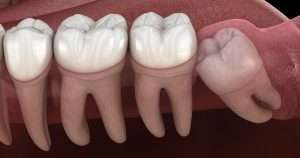
Every surgical plan should reflect the patient’s goals and medical needs. For implant candidates, this might include evaluating bone volume and determining whether procedures such as ridge augmentation or a sinus lift are necessary to support long-term success. For wisdom teeth, the decision to remove can be based on current symptoms, potential future problems, or preventive care—as explained in our guide on preventive wisdom teeth removal and in our discussion on whether you really need all four removed (debunking common myths).
Advanced technology and rigorous safety standards
Modern oral and maxillofacial surgery benefits from imaging, monitoring, and surgical tools that improve precision and reduce risk. Three-dimensional imaging and digital planning allow surgeons to visualize anatomy and plan minimally invasive approaches. These technologies are commonly used across procedures, from implant placement (process overview) to complex jaw corrective surgeries.
Safety also extends to anesthesia. Sedation options—ranging from local anesthesia to IV sedation or general anesthesia—are chosen based on the procedure and the patient’s comfort level. Board-certified surgeons and trained anesthesia staff monitor vital signs and recovery closely, ensuring a calm and controlled experience.
Managing pain and maximizing comfort
Comfort is a central component of the patient-first mindset. Pain control begins during the procedure with appropriate local anesthetics and, when needed, sedation. After surgery, we provide clear, practical instructions for medications, icing, diet modifications, and activity levels to minimize discomfort and accelerate healing.
Specific recovery guidance is available for many common procedures. For example, our post-op resources include tips on recovery after wisdom teeth extraction and what to expect in the days following surgery (post-op care and recovery). These resources help patients anticipate normal healing patterns and recognize signs that warrant a prompt call to the office.
Clear pre-op instructions and helpful preparation
Feeling prepared reduces anxiety. Patient-first practices provide clear, accessible pre-operative instructions covering topics like fasting, medication management, transportation after sedation, and what to wear on the day of surgery. For those facing complex procedures such as dental implants, pre-op planning may also include bone grafting or addressing sinus health issues (sinus health).
When biopsy or pathology is part of care, patients receive guidance about what to expect after a biopsy and how to manage the site while healing. See our resource on post-biopsy care for details on monitoring and follow-up.
Follow-up care, monitoring, and recovery support
After the procedure, follow-up is essential. A patient-first practice schedules timely post-op visits, provides phone or email access for questions, and uses checklists to track healing and treatment milestones. For implant patients, proper follow-up supports osseointegration and long-term success—resources on the costs and benefits of dental implants and the implant process can help set expectations for the treatment timeline.
Coordination with your dental team
Oral surgery rarely happens in isolation. A patient-first surgeon coordinates with general dentists, orthodontists, and other specialists to ensure continuity of care. This teamwork is especially important for restorative cases—like replacing missing teeth with implant-supported solutions—or when pre-prosthetic work such as ridge augmentation is needed before final restorations.
Referring dentists and families trust a practice that communicates promptly and clearly; that collaboration helps patients move smoothly from referral to treatment to long-term maintenance.
Recognizing when specialist care is needed
Knowing when to consult an oral and maxillofacial surgeon is a key part of patient-first care. Seek a specialist when you have impacted or painful wisdom teeth, significant jaw pain or bite issues that may require jaw surgery, unexplained oral lesions that need evaluation (oral cancer screening), or when planning advanced implant rehabilitation. Our resources on risk factors and prevention for oral cancer (risk factors and prevention) can help you understand warning signs and next steps.
What patients can do to get the most from their surgical experience
- Share a full medical history and current medication list to help your surgeon plan safely.
- Follow pre-op instructions carefully and arrange transportation if sedation is planned.
- Ask questions about anesthesia choices, anticipated pain management, and the follow-up schedule.
- Use the practice’s post-op resources—such as recovery instructions after wisdom teeth extraction—to guide home care.
- Keep follow-up appointments and communicate any unexpected symptoms right away.
Putting the patient first leads to better outcomes and a more positive surgical experience. When surgical teams combine technical skill with active listening, clear education, and rigorous safety protocols, patients receive care that respects both their health and their comfort.
For more information about our procedures and patient resources, explore our blog and procedure guides, including detailed information on wisdom teeth removal methods, wisdom tooth extraction, and the full dental implant process.
By Oral Surgery Associates: Oral Surgery Associates delivers expert oral and maxillofacial surgical care in Grand Rapids and Grandville, specializing in dental implants, wisdom teeth removal, and jaw surgery. With a legacy of excellence, our board-certified surgeons combine advanced technology with a patient-first approach to ensure comfort, safety, and outstanding results. Trusted by families and referring dentists alike, we make your treatment experience seamless, compassionate, and backed by decades of surgical precision.