
Understanding the oral surgery process
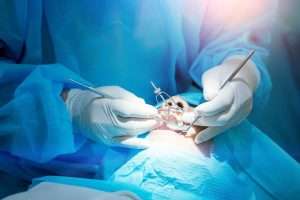
Facing oral surgery can feel overwhelming, but knowing what to expect from the first consultation through full recovery helps reduce anxiety and improves outcomes. Whether you’re considering dental implants, wisdom teeth removal, or corrective jaw surgery, a clear roadmap makes the experience smoother for you and your family. This guide walks through each phase of the journey, explains common procedures, and points you to trusted resources so you can feel informed and confident.
What happens at the initial consultation
Your first visit is a chance to share your medical history, discuss symptoms or goals, and review diagnostic imaging. Many practices use advanced 3D imaging to precisely evaluate tooth, bone, and sinus anatomy. Your surgeon will perform a thorough exam and, when appropriate, screen for oral cancer as part of routine care — learn why these checks matter at The Importance of Regular Oral Cancer Screenings and read about risk factors and prevention at Risk Factors and Prevention of Oral Cancer.
Expect a conversation about treatment options, timing, anesthesia choices, likely recovery timeline, and cost considerations. If implants are being discussed, resources like our costs and benefits analysis and a breakdown of the dental implant process can help you prepare questions.
Common procedures explained
Oral surgery covers a range of procedures. Here are the ones patients most often encounter:
- Dental implants: A long-term solution for missing teeth. Learn more about implant placement and options like “teeth in a day” and implant-supported overdentures through procedure overviews such as implant placement and teeth-in-a-day.
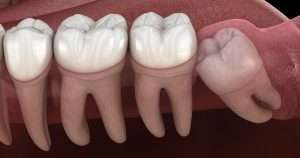
- Wisdom teeth removal: Whether removing impacted third molars or recommending preventive extraction, your surgeon will explain the surgical approach. Helpful reads include our pages on wisdom teeth removal, removal methods, and answers to common questions like Do you really need all four removed?.
- Jaw surgery (orthognathic): Corrects bite and facial imbalance. Surgeons coordinate closely with orthodontists and use careful planning and imaging to produce predictable results (see general jaw surgery resources at sites like jaw surgery).
- Bone grafting and ridge augmentation: These procedures support implant placement and restore ridge contours. Read about ridge augmentation and bone grafting strategies including sinus lifts at sinus lift.
- Biopsy and pathology: For suspicious lesions, your surgeon may perform a biopsy; post-procedure care information is available at Post-Biopsy Care.
Preparing for surgery
Preparation starts with clear communication. Follow any pre-op instructions your surgeon provides regarding fasting, medications, and day-of logistics. Many practices offer specific pre-anesthesia guidelines—review general instructions such as before anesthesia to understand fasting and medication management.
If you smoke, speak with your surgeon about quitting before and after surgery; smoking increases the risk of complications and delays healing. Arrange transportation for the day of surgery and plan for a few days of rest, especially after procedures like extractions or jaw surgery.
What to expect on the day of surgery
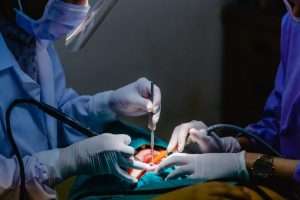
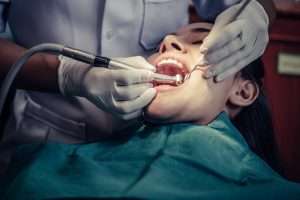
The surgical team will review your consent and health history, ensure monitoring equipment is in place, and discuss the anesthesia plan. Options range from local anesthesia to IV sedation or general anesthesia depending on the complexity and patient comfort — learn more about anesthesia choices at anesthesia resources. Most patients appreciate a calm, patient-first approach that prioritizes safety and comfort.
Recovering well: practical tips
Recovery varies by procedure, but common strategies help most patients heal faster and reduce discomfort:
- Follow prescribed medications and any antibiotic or pain-management plan.
- Use ice packs for the first 24–48 hours to limit swelling, then switch to warm compresses if advised.
- Stick to soft, nutritious foods and stay hydrated. Guidance for post-op nutrition is available in procedure-specific instructions like after dental implant surgery and post-wisdom tooth care.
- Avoid smoking and strenuous exercise until cleared by your surgeon.
For wisdom tooth patients, see detailed recovery tips at Recovery Tips for Wisdom Teeth Extraction and general expectations at What to Expect After Wisdom Teeth Surgery. If you had a biopsy, follow the specific guidance at Post-Biopsy Care.
Watching for warning signs and when to call
It’s normal to have some swelling, bruising, and discomfort after surgery, but contact your surgeon if you experience:
- Fever or increasing redness around the surgical site
- Severe or worsening pain not relieved by medication
- Excessive bleeding or a sudden increase in swelling
- Signs of dry socket after an extraction (severe throbbing pain and exposed bone)
Prompt communication prevents small issues from becoming serious. Many practices provide clear emergency instructions and a referral network of local specialists and resources in their referring doctors or resource library.
Long-term results and maintaining oral health
With proper planning and postoperative care, outcomes like implant integration and jaw correction are excellent. For implant patients, long-term success depends on bone health and regular maintenance; learn more about implant-supported solutions and bone grafting support at implant-supported overdentures and ridge augmentation.
Continue routine dental checkups and oral cancer screenings — your dental team and oral surgeon work together to monitor healing and overall oral health. For ongoing education and updates, explore articles on our blog.
Common questions people ask
- Do I need all four wisdom teeth removed? Not always. Read more on when removal is recommended at Do You Really Need All Four Wisdom Teeth Removed?
- How long before I can eat normally after implants? Soft foods are recommended initially; full chewing function returns as implants integrate — see the dental implant process for timelines.
- When can I return to work or exercise? Many patients return to light work within a few days, but strenuous activity should be postponed per your surgeon’s guidance.
Your oral surgery journey is a team effort. Clear communication with your surgeon, careful adherence to instructions, and a patient-first approach to care all contribute to the best outcomes. For personalized information and next steps, explore our procedure guides and recovery articles linked throughout this page.
Oral Surgery Associates delivers expert oral and maxillofacial surgical care in Grand Rapids and Grandville, specializing in dental implants, wisdom teeth removal, and jaw surgery. With a legacy of excellence, our board-certified surgeons combine advanced technology with a patient-first approach to ensure comfort, safety, and outstanding results. Trusted by families and referring dentists alike, we make your treatment experience seamless, compassionate, and backed by decades of surgical precision.